Beyond IPL — How Cricketers Are Building Post-Retirement Business Empires
The Final Innings That's Just the Beginning
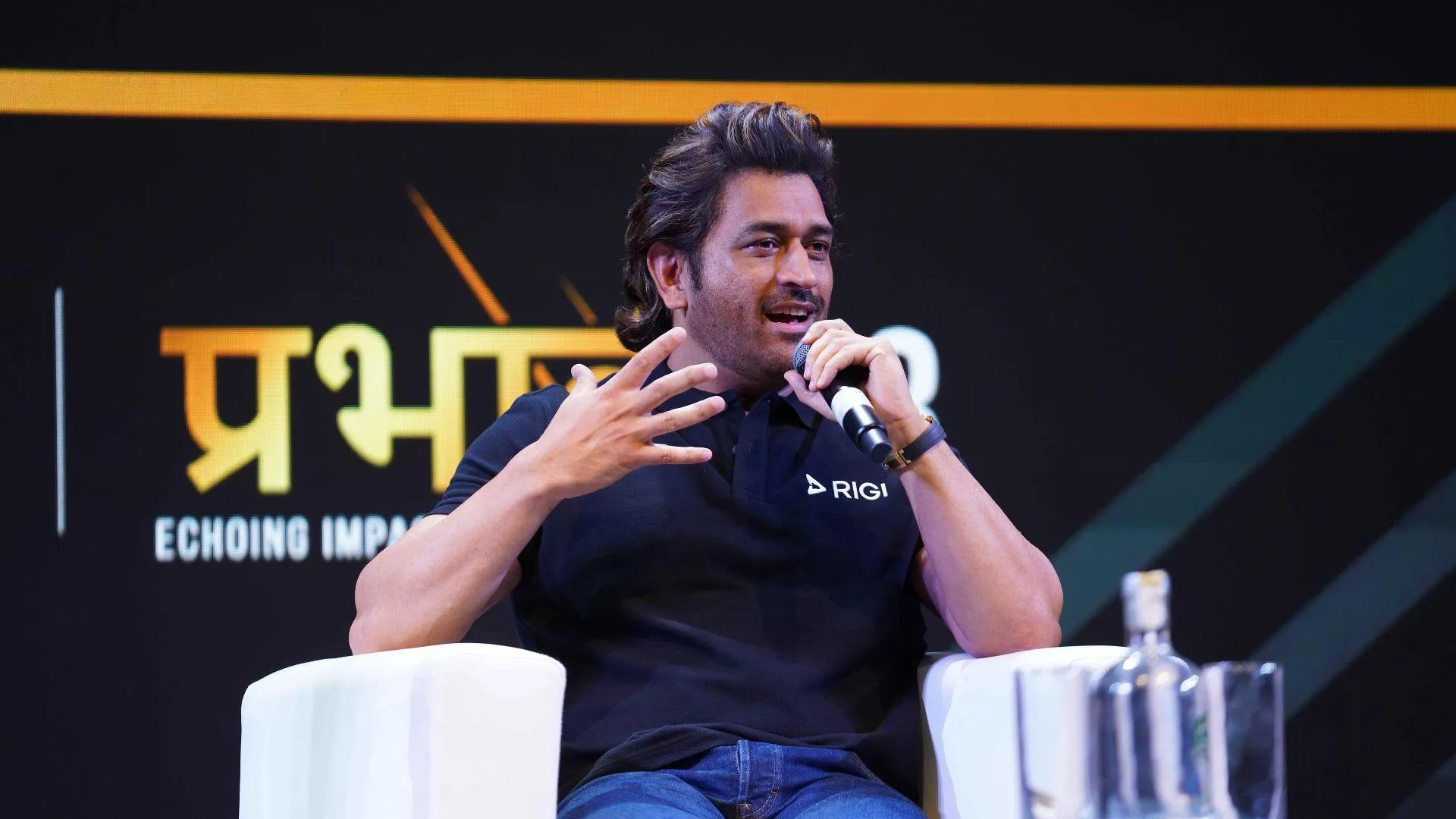
When MS Dhoni retired from international cricket in 2020, he didn't fade into obscurity. He had already built a portfolio that would keep him busy—and wealthy—for decades. From a sports tech startup to a film production house to a fitness brand, Dhoni's business interests are as diverse as his cricketing shots.
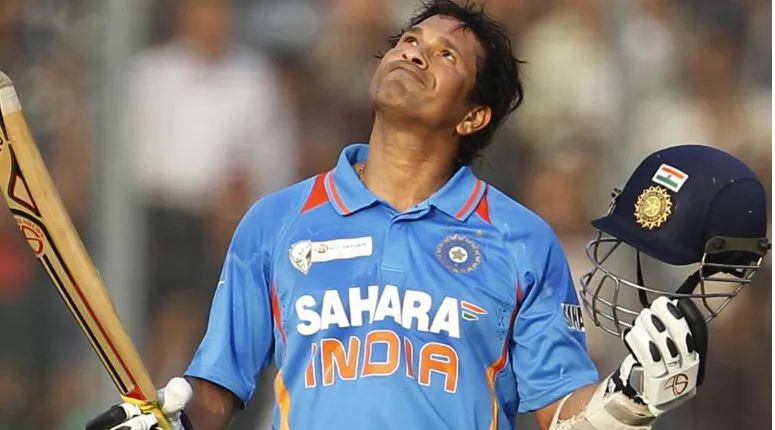
He is not alone. Sachin Tendulkar, Virat Kohli, Rohit Sharma, and Yuvraj Singh have all transitioned from athletes to entrepreneurs. They have learned that a cricketing career, however glorious, lasts only 15-20 years. A well-built business can last generations.
MS Dhoni: The Silent Empire Builder
Dhoni is the most private of all cricketers, but his business moves are anything but quiet. His portfolio includes:
7R Sports – His sports management and training academy, which scouts young talent and provides coaching.
CricKingdom – A sports tech platform that helps amateur crickets analyse their performance using AI.
Dhoni Entertainment – A film and content production house that has produced documentaries and regional films.
Fitnatic – A chain of fitness centres targeting the mass market.
Startup investments – He backed Khatabook (fintech) and Cars24 (used car marketplace).
Dhoni's net worth from business is estimated at ₹1,200 crore, dwarfing his cricket earnings. His strategy: invest in businesses that align with his core interests (sports, fitness, technology) and take a hands‑off approach, trusting professional managers.
Virat Kohli: The Lifestyle Mogul
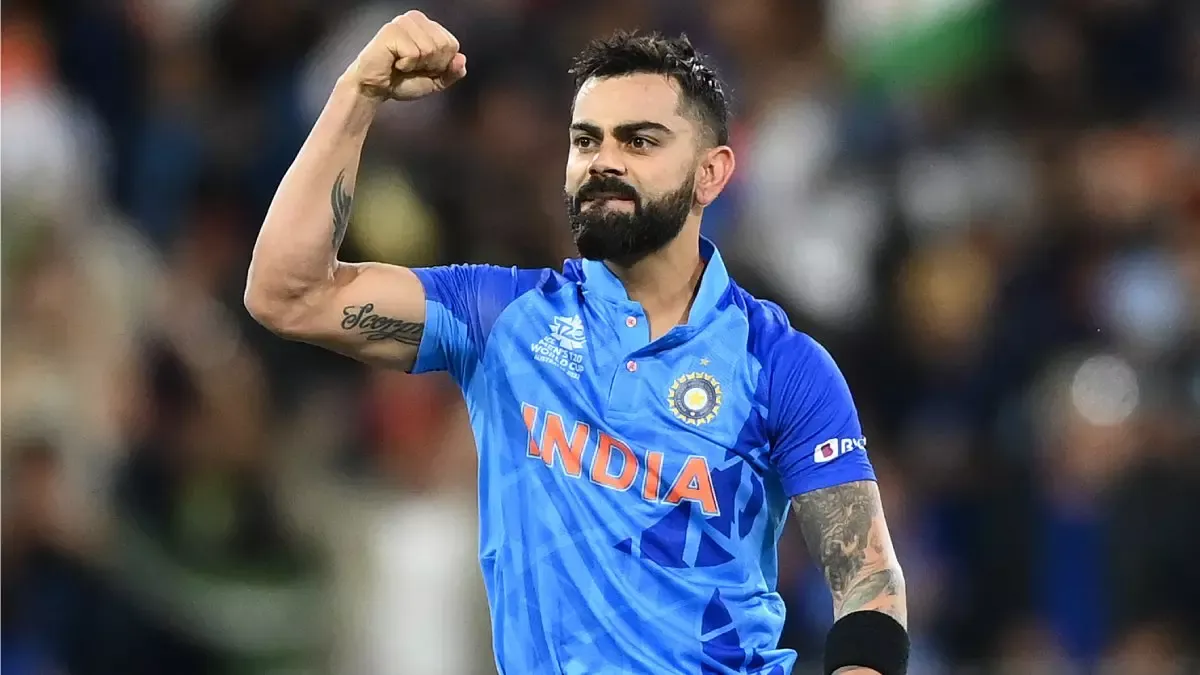
Virat Kohli has built a brand around his fitness-obsessed, fashionable persona. His ventures include:
Wrogn – A youth fashion brand targeting Gen Z. It has expanded into accessories, footwear, and even a mobile game.
One8 – His sports apparel and fitness accessories line, launched in partnership with Puma.
Chain of gyms – Under the One8 brand, he has opened high-end fitness centres in Delhi, Mumbai, and Bengaluru.
Production house – He co‑founded a digital content studio that produces web series and documentaries.
Kohli's business net worth is estimated at ₹1,000 crore. Unlike Dhoni, he is deeply involved in product design and marketing, often appearing in his brand's campaigns.
Sachin Tendulkar: The Venture Capitalist
Sachin Tendulkar took a different path. He launched Sachin Tendulkar Ventures, a fund that invests in early‑stage startups across sports tech, consumer goods, and health. Notable investments include:
Smaaash (gaming and entertainment – though now struggling)
True Scoops (ice cream brand)
DriveX (pre‑owned vehicle marketplace)
Fenale (sports nutrition)
He also owns a stake in Bengal Warriors (Pro Kabaddi) and has a long‑standing endorsement portfolio. His net worth from business is estimated at ₹800 crore. Sachin's approach is to stay involved at a strategic level while letting his investment team manage day‑to‑day operations.
Other Cricketers Building Empires
Yuvraj Singh – Launched YouWeCan Ventures, a fund that has backed over 30 startups, including EduKart, Healthians, and Boldfit. He also owns a stake in the Bengaluru Bulls (Kabaddi).
Rohit Sharma – Partnered with celebrity chef to launch a cloud kitchen brand, invested in fitness tech, and owns a stake in a fantasy sports platform.
Hardik Pandya – Launched his own fashion label and invested in a wellness app for young athletes.
Ravindra Jadeja – Invested in real estate and a chain of sports academies in Gujarat.
The Economics of Cricketer Entrepreneurship
Why do startups want cricketers as investors? Three reasons:
Massive reach – A single Instagram post from Kohli (250 million followers) can drive millions in sales.
Credibility – Cricketers are trusted figures, especially in the health and fitness space.
Network – They have access to other celebrities, corporate leaders, and policymakers.
In return, cricketers invest at favourable valuations—sometimes receiving equity for promotions instead of cash. For startups, this is a bargain compared to traditional advertising.
For cricketers, the math is simple: a ₹5 crore endorsement fee is one‑time. A 2% equity stake in a brand that grows to ₹2,000 crore valuation is worth ₹40 crore. The incentive to make the brand succeed is far greater.
Challenges: Not All Sixes
Cricketer-backed startups have failed too. Smaaash, backed by Sachin, ran into financial trouble. Several athlete‑endorsed brands have shut down. The key is to back competent founders and not rely solely on star power.
Another risk is over‑exposure. Cricketers who endorse too many products dilute their own brand value. The smart ones limit themselves to 2-3 active investments.
The Future: A Cricketer‑Led VC Fund?
Industry watchers predict that within five years, a group of current and former cricketers will pool their capital to launch a dedicated VC fund. Dhoni, Kohli, Sachin, and Yuvraj have the combined net worth to make this happen. The fund would focus on sports tech, health, and consumer brands—sectors where cricketers have domain expertise.
If successful, it would mark the full evolution of the cricketer: from player to entrepreneur to venture capitalist.