
The Biggest Stories Of 2026 May Not Be About New Technologies Alone — They May Be About How People Are Choosing To Build, Work And Live Differently
Every year frequently arrives with predictions. Investors forecast markets, founders anticipate industries and analysts attempt to identify the next category expected to dominate headlines because people naturally search for signals capable of explaining where the future may be heading. Yet major shifts rarely arrive all at once. Most transitions frequently begin quietly beneath everyday life before suddenly appearing obvious in retrospect. Technologies evolve slowly. Behaviors change gradually. Expectations shift before institutions fully notice them. By the time a trend becomes visible everywhere, it often began years earlier.
Over recent years, several changes increasingly appear moving beyond experimentation and entering broader social and economic reality. Artificial intelligence continues reshaping industries, startup ecosystems increasingly question traditional funding assumptions and younger generations increasingly redefine relationships with work itself. Yet beneath these visible developments, several quieter transitions increasingly seem unfolding simultaneously. What initially appear like disconnected signals increasingly resemble a broader story involving how societies increasingly organize around flexibility, participation and resilience.
Viewed independently, trends frequently appear temporary because headlines naturally prioritize novelty. Viewed through a broader impact lens, however, many of these shifts increasingly raise larger questions involving how opportunity itself may be changing.
Artificial intelligence will almost certainly remain one of the defining stories of 2026, but perhaps not in the way earlier conversations imagined. Historically, AI discussions frequently centered around replacement narratives because public attention often focused on whether machines would overtake human roles. Increasingly, however, another reality appears emerging. Across workplaces and industries, AI increasingly seems functioning less as a standalone destination and more as invisible infrastructure operating beneath everyday systems. The broader shift increasingly appears less about dramatic replacement and more about augmentation quietly entering ordinary routines.
Another transition increasingly involves startup culture itself. For years, venture funding frequently represented the default language of ambition because founders often associated growth with fundraising cycles and external capital. Increasingly, however, entrepreneurs appear exploring alternatives involving revenue-based financing, profitability-first approaches and ownership structures allowing greater flexibility. This shift increasingly matters because founders themselves increasingly seem asking different questions surrounding sustainability and control rather than pursuing scale at any cost.
Smaller cities and regional ecosystems may increasingly become another important story. Historically, economic opportunity frequently concentrated around major urban centers because infrastructure, industries and institutions often clustered geographically. Increasingly, however, remote work environments, distributed businesses and digital ecosystems continue creating possibilities allowing talent to participate beyond traditional hubs. The broader significance increasingly suggests geography itself may gradually become more flexible than previous generations experienced.
Healthcare increasingly appears entering a more preventive phase as well. Historically, healthcare systems frequently organized around diagnosis and treatment because responses often followed illness itself. Increasingly, however, conversations involving wearables, diagnostics, personalized systems and public-health data increasingly suggest environments focused on identifying risks earlier rather than responding afterward. This transition increasingly matters because prevention frequently changes experiences long before intervention becomes necessary.
Another emerging trend increasingly appears connected to communities themselves. Historically, institutions frequently operated through centralized structures where participation followed highly organized systems. Increasingly, however, digital environments frequently allow communities to organize around causes, interests and identities independently. Whether through creator ecosystems, local movements or digital networks, participation increasingly appears becoming decentralized in ways previous systems rarely enabled.
Climate conversations increasingly continue entering everyday behavior as well. Historically, sustainability frequently appeared associated with activism and large policy frameworks. Increasingly, however, environmental thinking increasingly enters ordinary consumer choices involving products, materials, food systems and lifestyle behavior itself. This transition increasingly matters because cultural shifts frequently accelerate once values become habits rather than obligations.
Work itself may also increasingly continue changing. Historically, careers frequently followed linear pathways because professional identity often developed through long institutional journeys. Increasingly, however, younger generations increasingly seem navigating portfolio careers, flexible work structures and environments where multiple identities coexist simultaneously. Employment increasingly appears becoming less about permanence and more about adaptability.
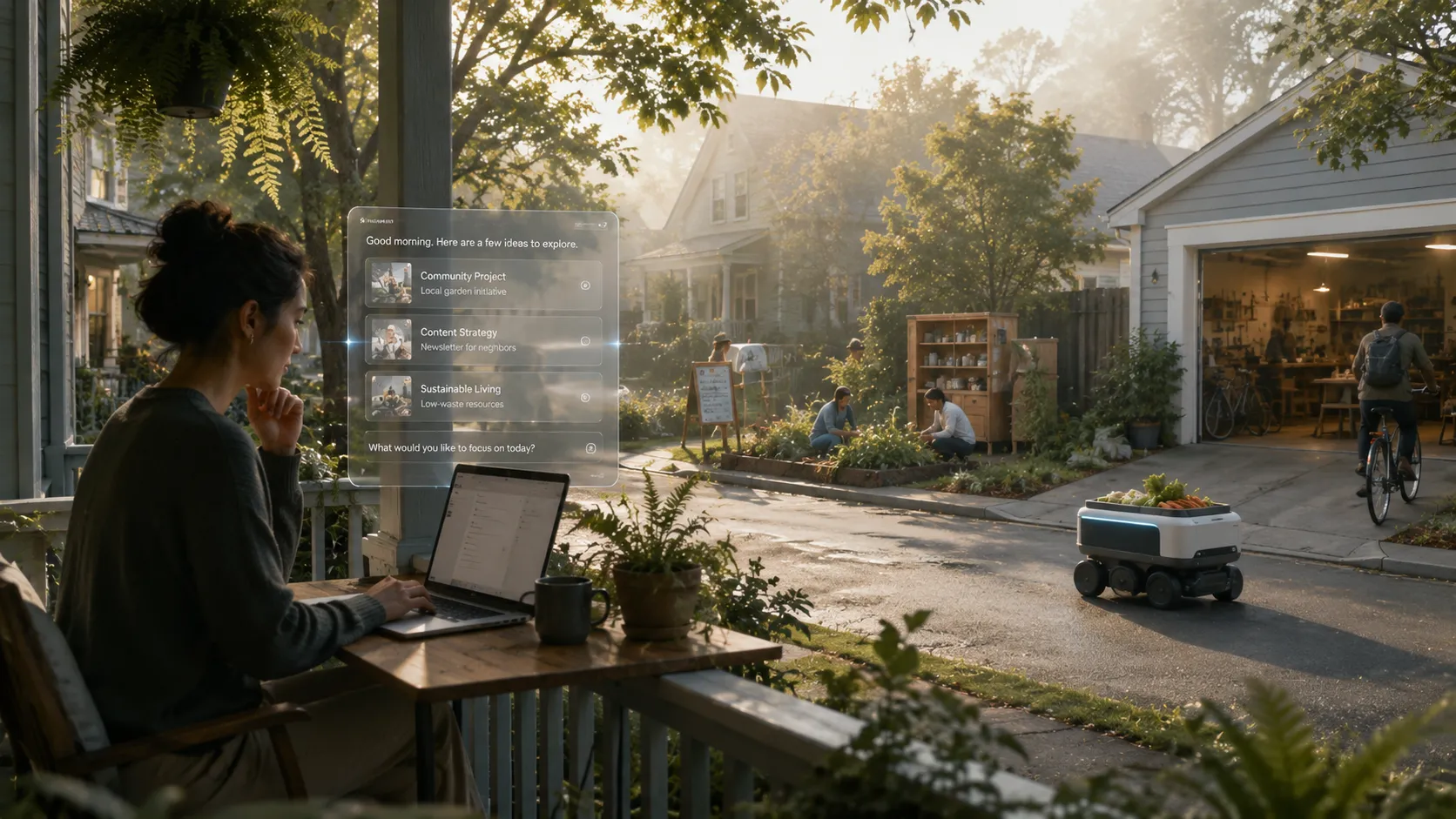
Perhaps what makes these developments particularly interesting is that none of them operate independently. Artificial intelligence influences work. Work influences migration. Migration influences cities. Cities influence opportunity. Opportunity influences culture. Increasingly, these trends appear functioning less like isolated predictions and more like connected systems influencing one another simultaneously.
The larger impact story therefore may not simply involve seven trends shaping 2026. Increasingly, it may involve recognizing that some of the most important changes rarely arrive as dramatic disruptions. More often, they begin quietly through everyday decisions people make involving where they live, how they work, what they value and what futures they choose to build.