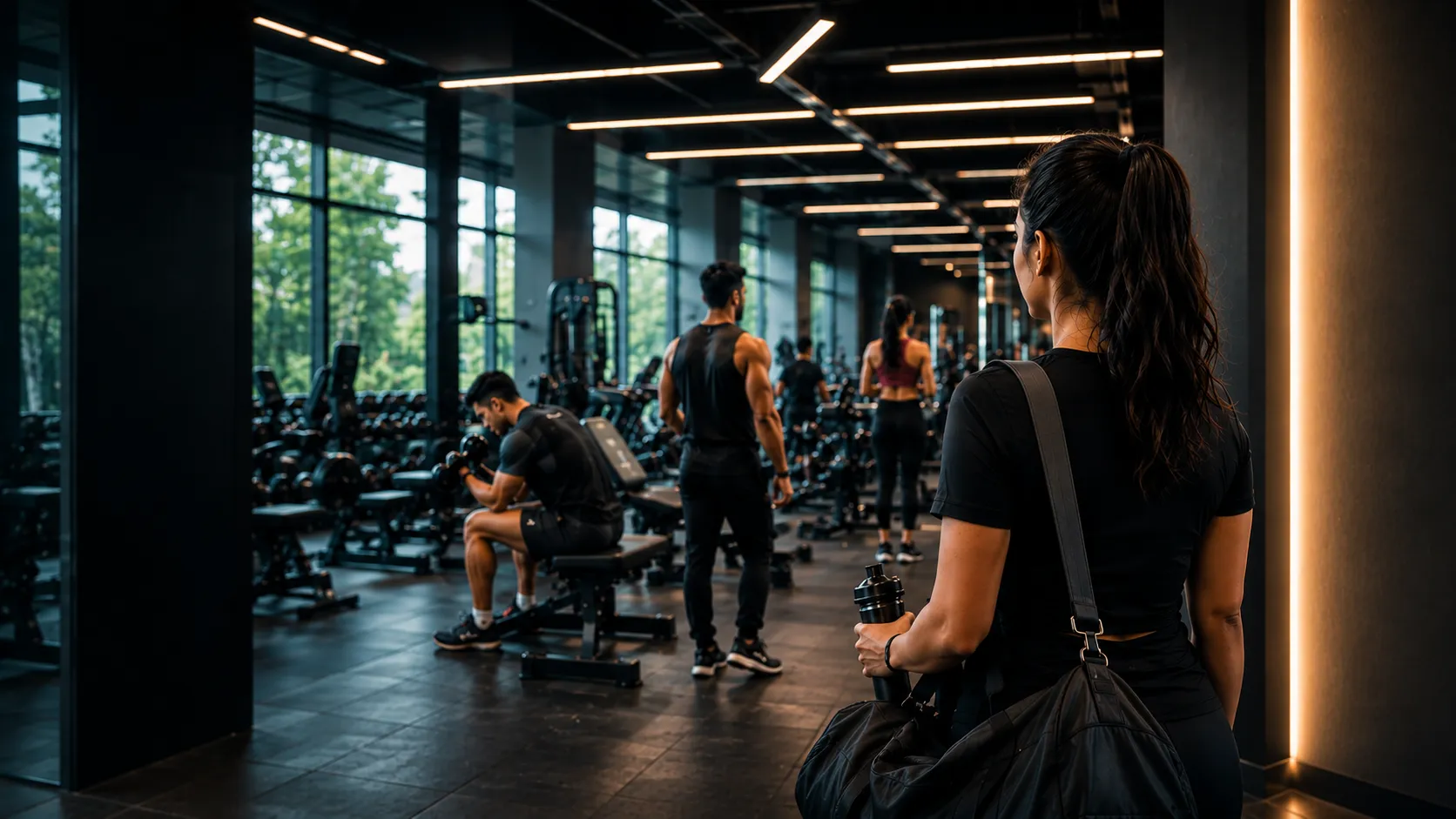
A Fitness Discussion Online Gradually Became Something Much Larger Than Exercise
Social media conversations frequently begin with moments that initially appear ordinary. A short video, a casual observation or a personal experience often gains attention for reasons that seem relatively straightforward at first. Yet increasingly, digital conversations evolve in unexpected ways. What begins as commentary around a specific experience often expands into broader discussions involving identity, social expectations and cultural change itself.
That pattern recently became visible through online conversations surrounding Indian gym culture. Across platforms including discussion threads, short-form videos and creator commentary, conversations involving behavior inside fitness environments unexpectedly expanded into broader debates around comfort, gender interactions, social norms and the changing role gyms increasingly play within everyday urban life. What initially appeared to be a discussion involving fitness spaces gradually transformed into something larger because many participants increasingly used the moment to express wider experiences involving public spaces and contemporary social expectations.
The intensity of discussion itself revealed something important. Gyms today increasingly appear to function as more than exercise environments alone. Across urban India particularly, fitness spaces often operate simultaneously as social environments, aspirational spaces and places where younger generations increasingly negotiate identity, appearance and personal boundaries. As a result, conversations surrounding gyms frequently extend beyond treadmills and workout routines because they often intersect with broader social realities people experience outside fitness environments as well.
Viewed independently, a viral online debate may initially appear like another temporary social-media cycle. Viewed through a broader cultural lens, however, the conversation increasingly seemed connected to larger questions involving how everyday spaces evolve alongside changing social expectations.
Gyms Increasingly Appear To Be Reflecting Broader Social Change Rather Than Fitness Alone
Historically, gyms in India often occupied a relatively narrow social role. Fitness environments traditionally remained associated with specific communities including athletes, bodybuilding cultures and smaller urban populations focused heavily around physical training. Over recent years, however, that environment changed dramatically.
Fitness increasingly moved closer toward mainstream urban life. Rising health awareness, social-media influence and changing lifestyle priorities gradually transformed gyms into significantly more visible parts of everyday culture. Across many cities, gyms increasingly became spaces where professionals, students and younger communities regularly interacted within shared environments.
Importantly, these changes expanded the social meaning surrounding fitness spaces themselves.
For many individuals, gyms increasingly function as environments associated not only with exercise but also with confidence, personal wellbeing and broader self-expression. As participation expanded, however, experiences within these spaces also became more socially layered. Expectations involving comfort, etiquette, privacy and interpersonal behavior increasingly entered broader discussions because people often approached these environments through very different experiences and assumptions.
The broader significance increasingly suggests that gyms today frequently operate as reflections of wider social environments rather than isolated fitness spaces.
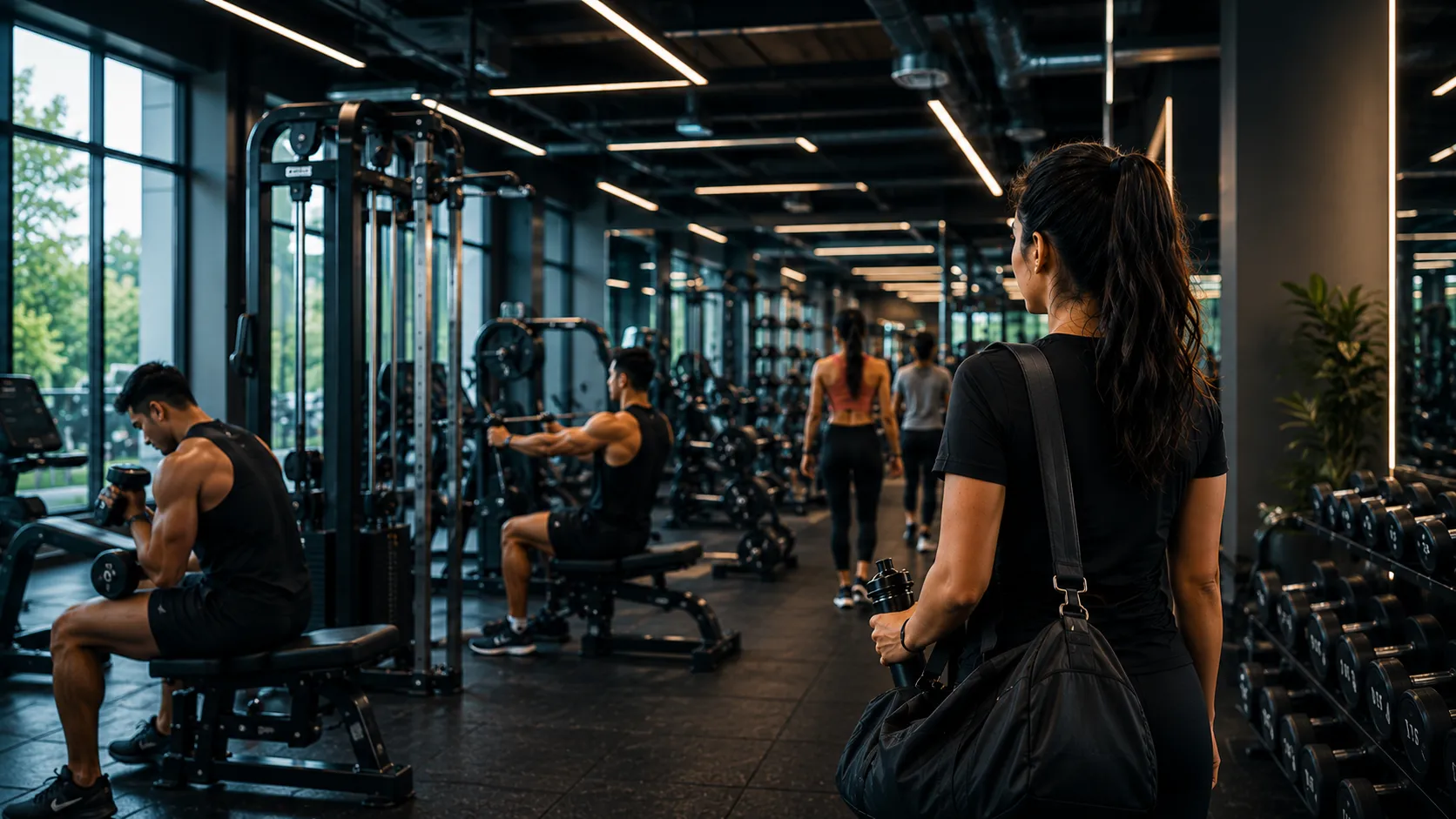
Gender Conversations Increasingly Appear To Be Emerging Inside Everyday Environments
Part of the significance surrounding the recent debate increasingly involved how quickly discussions moved toward questions involving gender and public interaction.
Historically, many conversations surrounding gender expectations frequently emerged around workplaces, educational institutions or larger social systems. Increasingly, however, discussions surrounding comfort and social behavior appear entering more ordinary environments where people spend everyday life.
Gyms increasingly appear among those spaces.
As more women entered fitness environments across urban India over recent years, conversations involving comfort, behavior and inclusivity increasingly became more visible. Online reactions surrounding the broader debate frequently reflected differing experiences involving how individuals navigate public environments and interpret social interaction itself.
Importantly, these discussions frequently reveal how everyday spaces operate differently depending on personal experience.
Two people often occupy the same environment while experiencing entirely different realities.
This increasingly matters because cultural shifts frequently become visible not through institutions alone but through ordinary spaces where social expectations gradually evolve over time.
Social Media Increasingly Appears To Be Turning Personal Experiences Into Larger Cultural Conversations
Another important dimension surrounding this broader discussion increasingly involves the role social media itself now plays in shaping public narratives. Historically, experiences involving everyday environments frequently remained highly localized. Conversations around discomfort, social behavior or cultural expectations often unfolded privately among friends, families or smaller communities. Even when individuals experienced similar situations across different cities and backgrounds, those experiences frequently remained disconnected because platforms capable of aggregating collective sentiment simply did not exist at the scale they do today.
Digital platforms increasingly appear to have altered that reality entirely. A single personal observation today frequently becomes capable of attracting thousands of reactions and triggering conversations extending far beyond the original subject itself. Social media increasingly compresses experiences from multiple cities, communities and demographic groups into one visible public space where people compare, challenge and reinterpret social realities in real time. In many cases, the issue attracting attention initially becomes less important than the broader emotions and experiences people begin attaching to it. A discussion involving gyms gradually becomes a discussion involving comfort. A conversation involving behavior gradually becomes a conversation involving social expectations. Individual experiences increasingly become cultural mirrors through which larger realities begin appearing visible.
Importantly, these environments frequently create visibility around experiences that may previously have remained fragmented. People often realize others have encountered similar situations only after broader conversations begin emerging publicly. Social platforms therefore increasingly function not simply as communication channels but also as environments where societies increasingly observe themselves. They frequently reveal tensions, assumptions and cultural shifts already developing beneath everyday life long before institutions formally recognize those changes themselves.
The Larger Story Increasingly Extends Beyond Gym Culture Alone
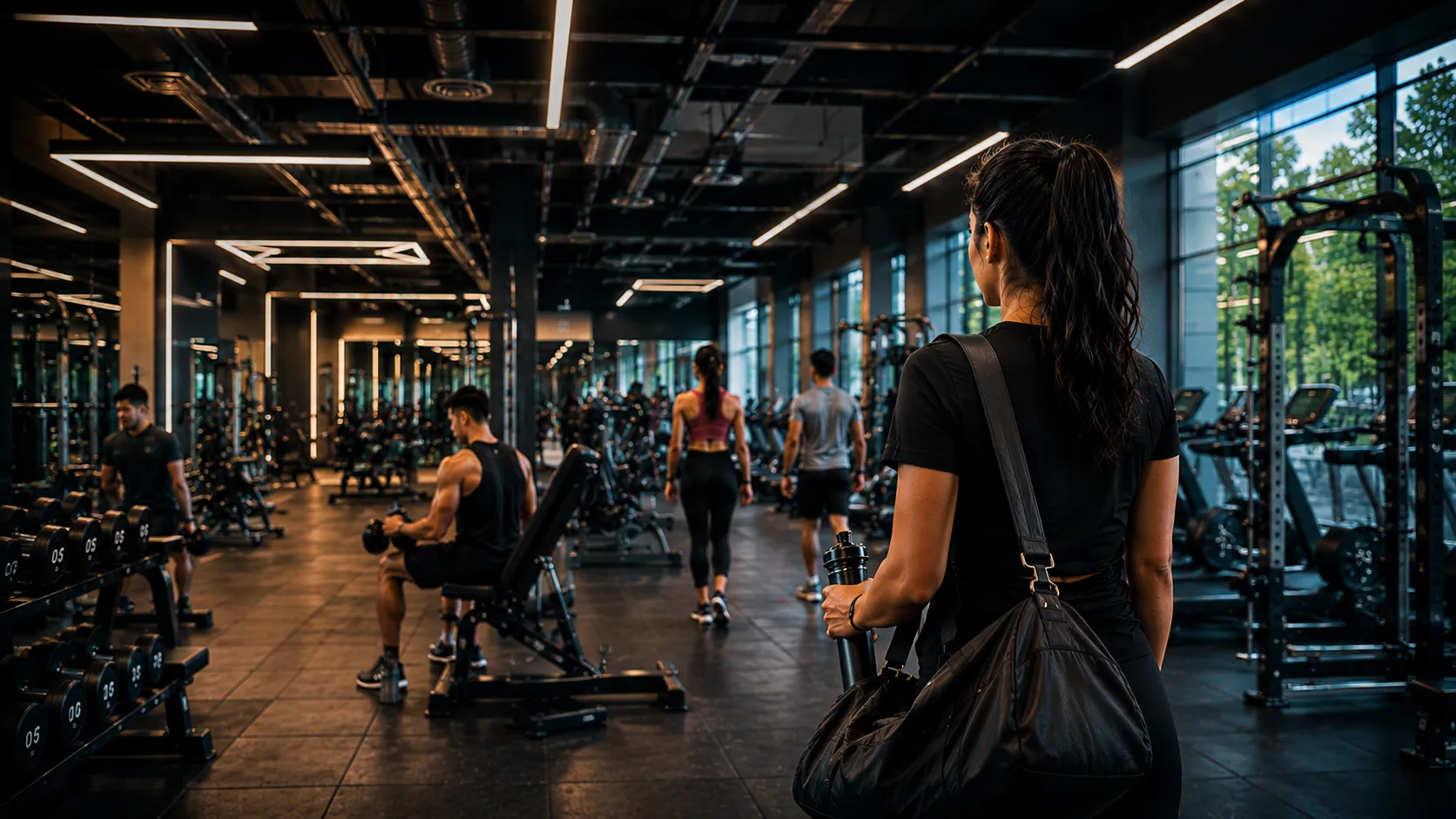
The broader significance surrounding this conversation may ultimately involve what it reveals regarding how cultural transitions increasingly unfold within modern societies. Historically, conversations involving social change frequently emerged through political systems, institutional reforms or highly visible public events. Major cultural shifts often appeared connected to large moments capable of attracting formal attention and broader societal focus. Increasingly, however, change itself appears unfolding differently.
Today, many cultural transitions increasingly seem becoming visible through ordinary environments people interact with every day. Fitness centers, workplaces, cafés, educational institutions and digital spaces increasingly function as environments where larger social expectations quietly become negotiated in real time. Questions surrounding comfort, boundaries, identity and public behavior frequently emerge through everyday experiences long before they enter larger policy or institutional discussions.
Viewed through that broader lens, the recent conversation involving Indian gym culture increasingly appears connected to larger questions extending far beyond exercise itself. The debate increasingly reflects changing realities surrounding urban life, younger communities and evolving social expectations shaping how individuals increasingly experience public spaces. What people often discuss on the surface frequently represents only one part of a much larger conversation developing underneath.
The larger impact story therefore may not simply involve fitness culture or online debate alone. Increasingly, it may involve recognizing that many of society’s most revealing conversations rarely begin through grand events or formal announcements. Sometimes they emerge through ordinary moments that unexpectedly reveal broader social transitions already taking place quietly around us.