A Viral Creative Story Is Beginning To Raise Larger Questions About Talent, Visibility And Reinvention
For years, conversations surrounding creativity frequently followed relatively familiar assumptions. Success in fashion and design often appeared connected to access — access to expensive materials, formal training, established networks and environments capable of nurturing talent. Public imagination frequently associated creative industries with studios, infrastructure and resources because many of the world’s most visible success stories emerged from systems already possessing those advantages. As a result, talent itself often appeared inseparable from opportunity, while opportunity frequently appeared linked with privilege.
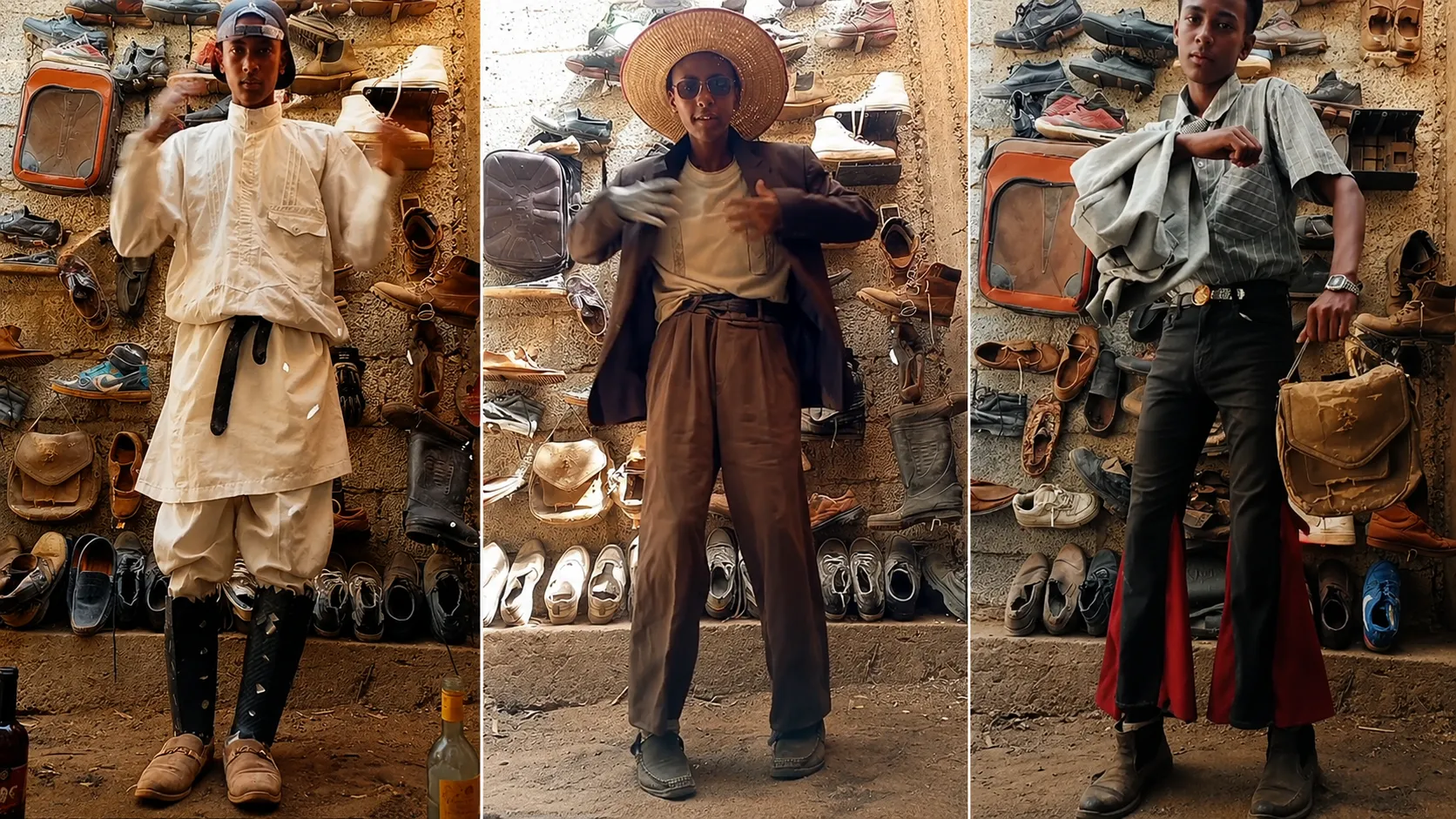
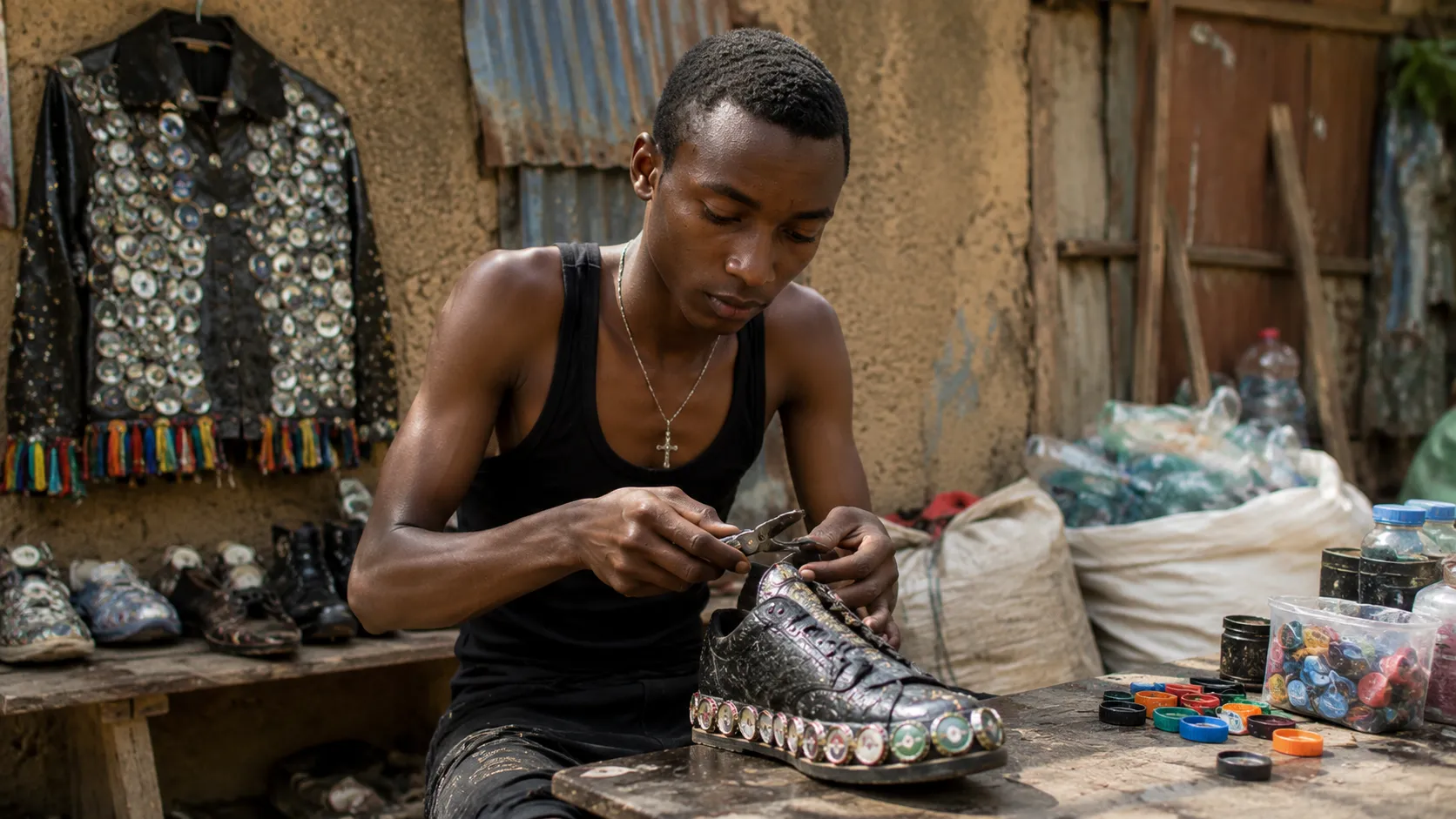
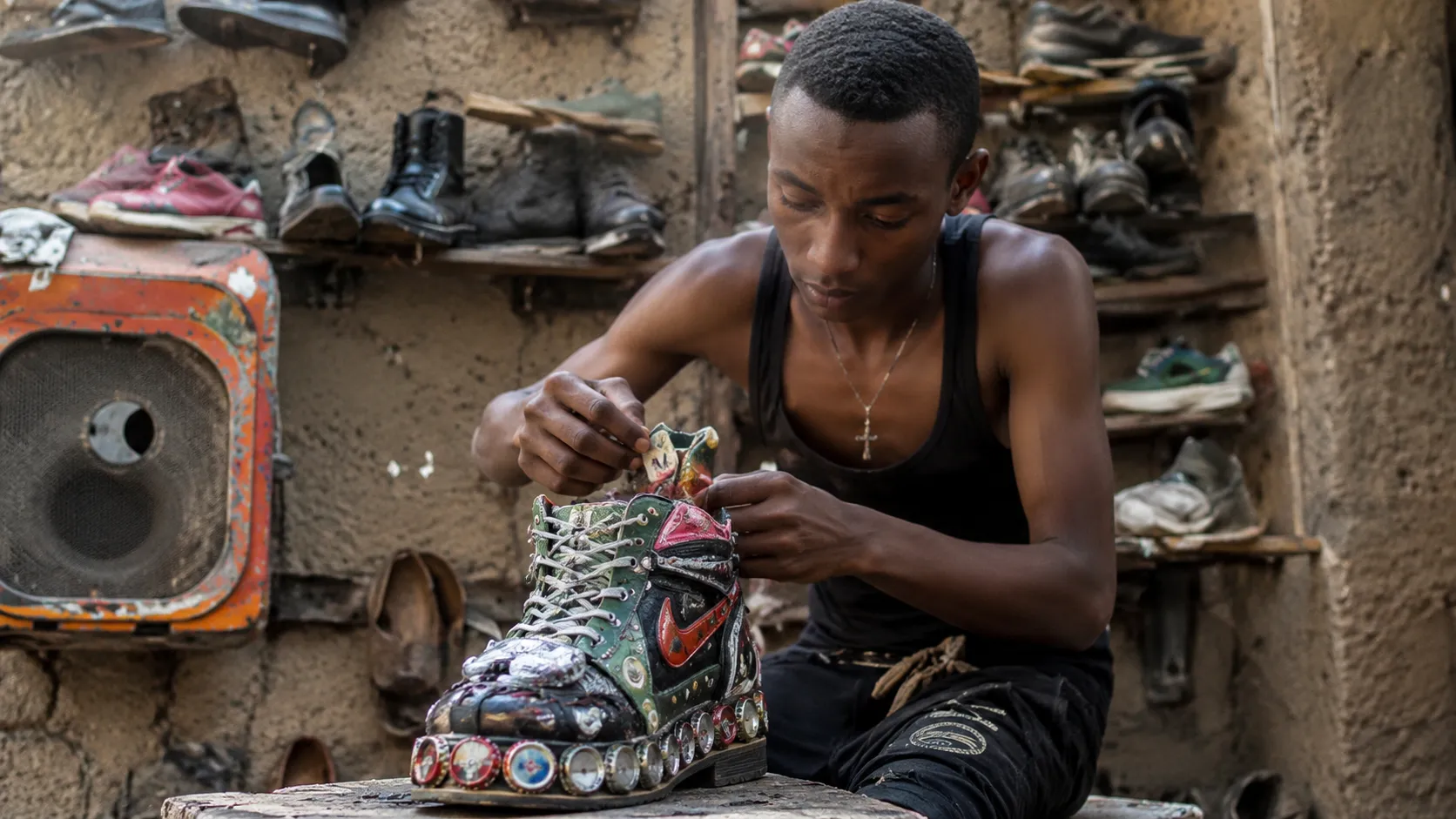
Yet occasionally, stories emerge that unexpectedly challenge assumptions people have quietly accepted for years. Recent attention surrounding Kalu Putik, a young creator from Ethiopia, increasingly attracted global interest because his work appeared to originate from conditions far removed from traditional ideas surrounding fashion environments. Reports and widely viewed videos surrounding his work show the teenager creating bold fashion pieces using discarded materials including old shoes, bottle caps, cardboard, plastic bags and scrap often considered waste. What many people frequently overlook or throw away increasingly appeared transformed into highly visual and unconventional wearable creations. The contrast itself became part of the fascination because audiences frequently expect remarkable outcomes to emerge from extraordinary resources rather than ordinary objects viewed differently.
Viewed independently, the story may initially appear like another viral social-media moment involving unusual creativity. Viewed through a broader impact lens, however, it increasingly raises larger questions involving youth opportunity, visibility and how talent itself increasingly finds audiences in environments where traditional pathways frequently remain limited.
Creativity Increasingly Appears To Be Emerging Outside Traditional Systems
Historically, creative industries frequently operated through highly structured pathways where visibility itself often depended on access to institutions, professional networks and environments capable of legitimizing talent over time. Designers frequently progressed through formal systems involving education, mentorship and industry recognition before audiences discovered their work. Entry itself often depended not only on ability but also on geography, financial access and participation inside systems already possessing established gatekeepers. As a result, talent frequently remained unevenly visible because opportunities capable of amplifying creativity often concentrated around relatively limited environments.
Increasingly, however, digital platforms appear reshaping that structure in significant ways. Social media environments increasingly create spaces where individuals can display work directly to audiences without waiting for traditional systems to provide recognition or institutional approval. Visibility itself increasingly appears less dependent on formal structures and increasingly connected to storytelling, originality and audience response. Platforms now allow creators from environments historically overlooked by traditional industries to place their work directly in front of global communities capable of responding instantly.
This broader shift increasingly matters because talent historically existed across every geography and every community while opportunity itself frequently remained unevenly distributed. Digital environments increasingly compress distances that once separated creators from audiences, allowing ideas to travel across borders and communities at speeds previous generations never experienced. Younger individuals increasingly encounter pathways toward visibility that may have remained inaccessible only years earlier. The broader significance increasingly suggests creativity itself may no longer emerge solely through institutions capable of granting recognition but increasingly through environments capable of recognizing originality wherever it begins.
Waste Increasingly Appears To Be Becoming A Story About Reinvention Rather Than Disposal
Part of the significance surrounding Kalu Putik’s work increasingly involves what the materials themselves symbolize inside larger conversations involving sustainability, creativity and resourcefulness. Historically, waste frequently entered public conversations primarily through environmental frameworks involving pollution, consumption and disposal systems. Discarded materials frequently represented endings because objects considered unusable often appeared to have exhausted their practical purpose. Public discussions surrounding waste often centered around reducing environmental harm rather than reimagining what those materials themselves might become.
Increasingly, however, broader cultural conversations appear evolving in different directions. Upcycling increasingly enters fashion discussions, reused materials increasingly appear inside design environments and circular approaches increasingly influence younger creators globally. Across multiple creative communities, objects once viewed simply as waste increasingly become opportunities for experimentation and reinagination. Materials frequently acquire entirely different meaning once imagination becomes involved because value itself often changes depending on perspective. What one individual considers disposable, another frequently recognizes as possibility.
This broader transition increasingly matters because sustainability itself increasingly appears moving beyond environmental responsibility alone and entering broader discussions involving creativity and innovation. The larger significance increasingly suggests conversations surrounding waste increasingly involve not only reducing what societies throw away but also reconsidering what value itself means within environments where imagination frequently changes the purpose of ordinary materials.
Young Creators Increasingly Appear To Be Challenging Traditional Ideas Around Opportunity
Another important dimension emerging beneath stories such as this increasingly involves changing assumptions surrounding who receives attention and recognition. Historically, younger creators frequently waited for institutions, industries or formal systems to validate their work before visibility arrived. Recognition often appeared gradual because opportunities frequently depended upon entering pathways already defining success itself. Individuals often spent years navigating structures determining whose work deserved attention and whose work remained unseen.
Increasingly, however, visibility itself increasingly appears functioning differently. Digital communities increasingly participate directly in discovering creators and distributing attention in ways previous generations rarely experienced. Stories increasingly travel globally within hours and audiences increasingly shape visibility through engagement rather than institutional endorsement alone. Platforms increasingly create environments where originality frequently reaches people faster than traditional systems historically allowed.
This broader transition increasingly matters because visibility frequently influences aspiration itself. When younger audiences observe stories involving creators succeeding through originality and persistence rather than ideal circumstances, broader ideas surrounding possibility occasionally begin shifting. The significance increasingly extends beyond one individual creator because stories such as these frequently reshape assumptions regarding where talent itself can emerge and who deserves opportunities capable of receiving broader recognition.
The Larger Story Increasingly Extends Beyond One Viral Creator Alone
The broader significance surrounding Kalu Putik’s growing visibility may ultimately involve what it reveals regarding how creativity itself increasingly operates within modern environments. Historically, many industries frequently rewarded access because systems often determined who received opportunities and who remained unseen. Success frequently appeared closely connected to infrastructure, institutions and pathways available only to limited groups possessing resources or access.
Viewed through a broader lens, however, stories such as this increasingly resemble more than social-media moments or viral entertainment. They increasingly appear connected to larger realities involving youth potential, creative participation and changing pathways toward recognition itself. Digital environments increasingly continue creating spaces where ideas sometimes reach audiences before traditional systems fully understand them.
The larger impact story therefore may not simply involve fashion made from recycled materials or millions of online views. Increasingly, it may involve recognizing that talent frequently exists long before systems notice it. Sometimes visibility arrives not because conditions become perfect, but because individuals discover ways to transform limitations themselves into something audiences cannot ignore.