A Local Energy Experiment Is Beginning To Raise Larger Questions About Innovation, Affordability And Resourcefulness
For years, conversations surrounding innovation frequently followed relatively familiar patterns. Public attention often concentrated around advanced technologies, artificial intelligence, large-scale infrastructure and highly funded startup environments because progress itself frequently appeared associated with complexity and sophisticated systems. Stories involving innovation often revolved around laboratories, major cities and technology ecosystems built around substantial resources. As a result, many people increasingly began associating meaningful innovation with entirely new inventions rather than practical solutions emerging from everyday realities.
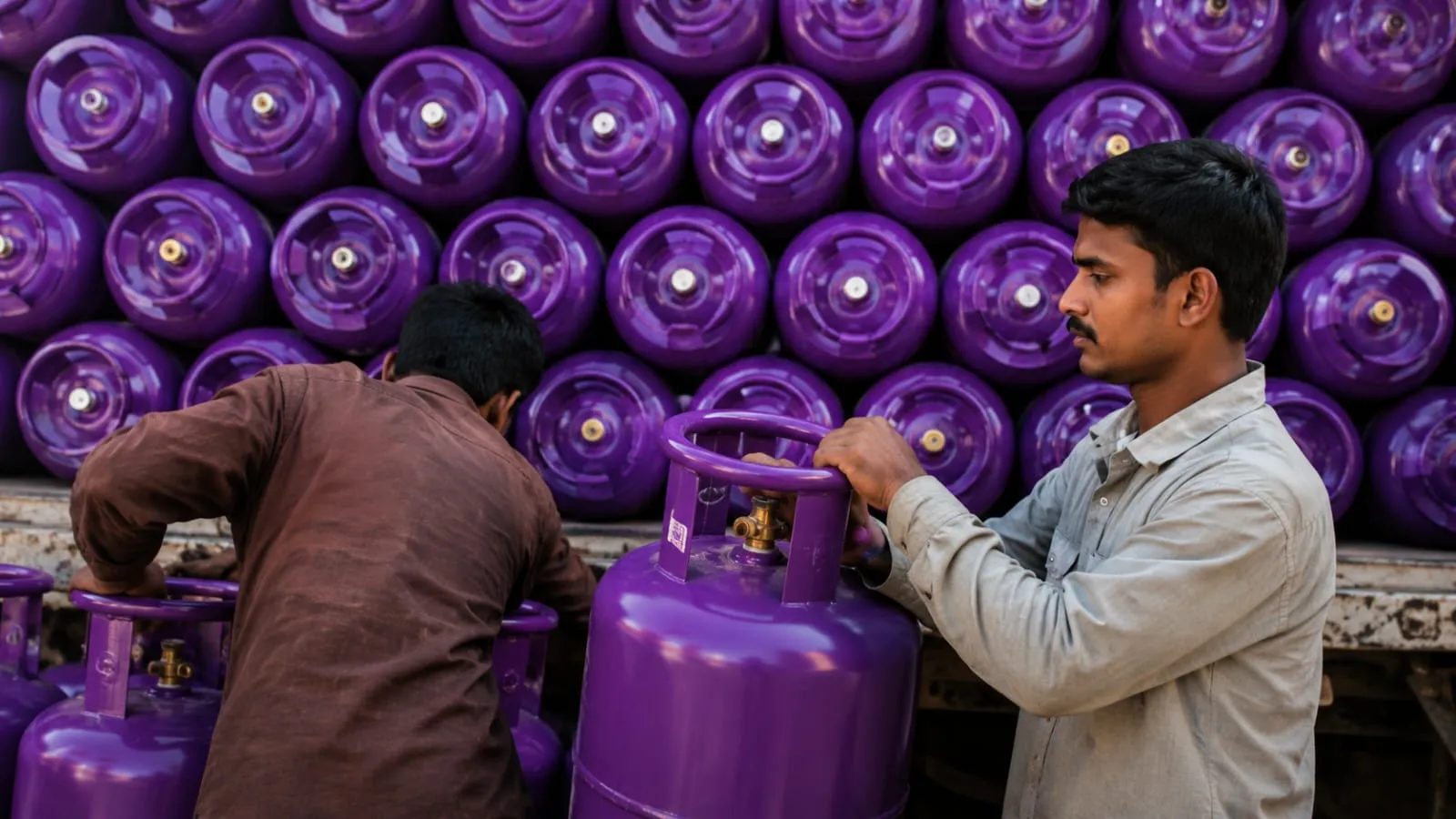
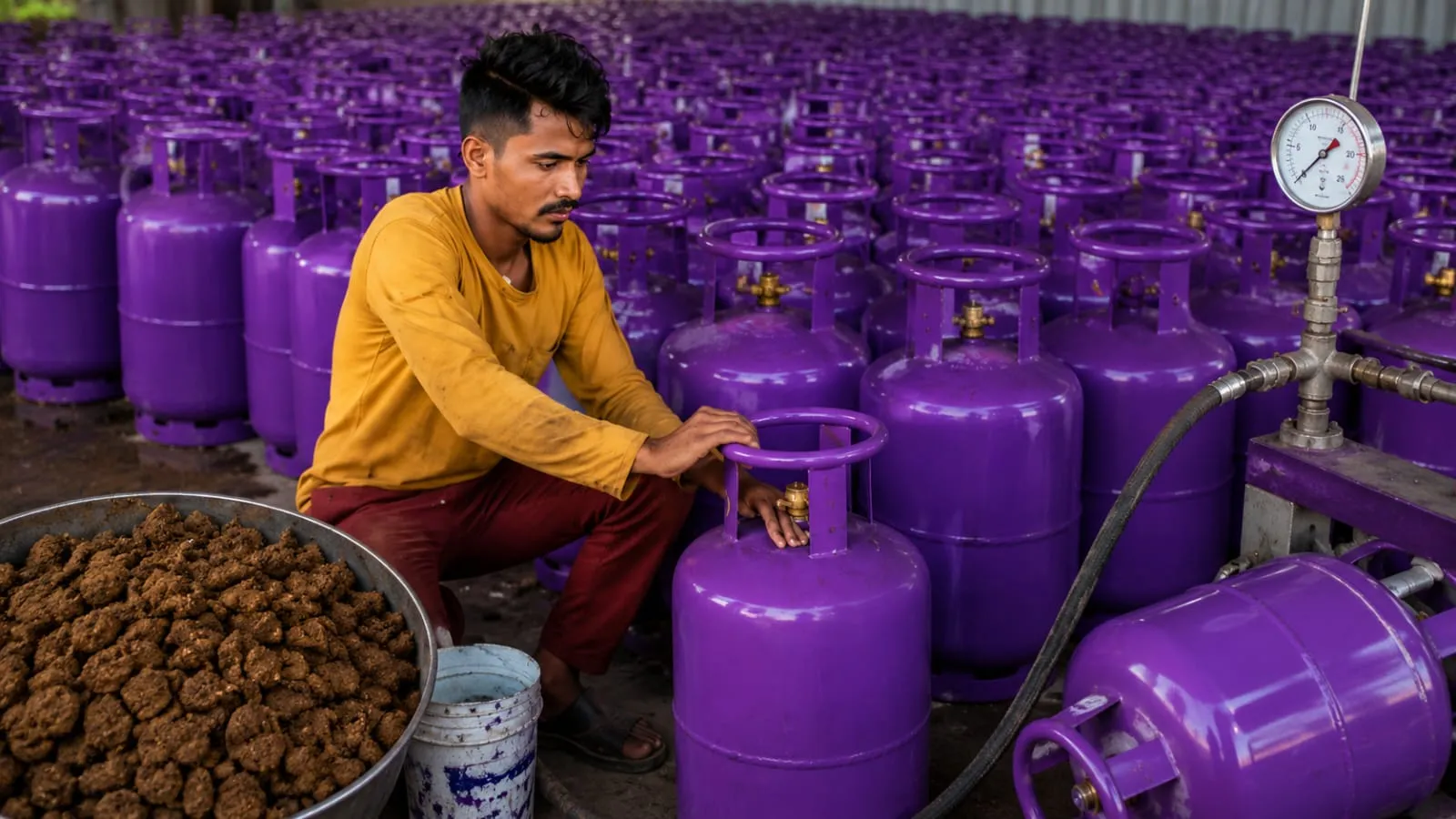
Yet occasionally, smaller stories attract attention because they challenge those assumptions directly. Recent reports involving two brothers from Uttarakhand developing a cow-dung-based gas cylinder capable of delivering approximately 18 kilograms of gas for around ₹500 increasingly generated attention because the idea itself appeared remarkably straightforward. Rather than introducing highly complicated technologies or entirely new resources, the broader concept reportedly focused on utilizing available waste and converting it into an affordable fuel alternative. The story itself resonated because the innovation appeared rooted less in invention alone and more in rethinking how existing materials could solve visible problems.
Viewed independently, the development may initially appear like another local innovation story attracting temporary online attention. Viewed through a broader impact lens, however, it increasingly raises larger questions involving rural entrepreneurship, energy affordability and whether practical innovation frequently emerges through observation rather than technological complexity alone.
Resource Constraints Increasingly Appear To Be Creating Different Forms Of Innovation
Historically, many communities frequently approached innovation through necessity rather than abundance. Across rural and semi-urban environments particularly, individuals often developed solutions around constraints because access to resources frequently remained limited. Practical innovation frequently emerged from adapting, modifying and maximizing existing systems rather than creating entirely new ones.
Increasingly, however, broader conversations surrounding technology frequently overlook these environments because public narratives often celebrate highly visible technological ecosystems instead. Yet resource-constrained innovation frequently operates through a different logic. Rather than asking what additional resources are needed, these environments frequently ask how available materials can be used more effectively.
This distinction increasingly matters because necessity frequently creates highly contextual solutions. Communities often understand local realities deeply because they experience problems directly and repeatedly. As a result, solutions emerging from these environments frequently appear simple while addressing highly specific needs involving affordability, accessibility and everyday practicality.
The broader significance increasingly suggests meaningful innovation frequently depends not only on technological sophistication but also on understanding problems closely enough to rethink ordinary materials and existing systems differently.
Waste Increasingly Appears To Be Becoming A Story About Utility Rather Than Disposal
Part of the significance surrounding this development increasingly involves broader conversations involving waste itself. Historically, waste frequently entered public discussion through environmental frameworks involving disposal challenges, pollution concerns and sanitation systems. Materials considered discarded often represented problems requiring management rather than opportunities capable of creating value.
Increasingly, however, broader sustainability discussions appear evolving beyond disposal alone. Across multiple sectors, waste increasingly enters conversations involving circular economies, reuse systems and alternative production environments capable of extending value beyond original use. Agricultural by-products, organic waste and discarded materials increasingly appear positioned not simply as environmental burdens but as resources capable of supporting entirely different applications.
This transition increasingly matters because changing how societies interpret waste frequently changes how value itself becomes defined. Materials frequently acquire entirely different meaning once communities begin evaluating them through functionality rather than disposal. What previously appeared insignificant occasionally becomes economically and socially valuable once viewed through different frameworks.
The broader significance increasingly suggests sustainability itself increasingly involves reimagining existing systems rather than depending exclusively on discovering entirely new resources.
Affordable Energy Increasingly Appears To Be Becoming A Larger Social Question
Another important dimension emerging beneath stories such as this increasingly involves broader conversations surrounding affordability and energy access itself. Rising fuel costs increasingly continue influencing households, transportation systems and everyday spending decisions across multiple communities. While larger energy transitions frequently focus on national infrastructure and policy environments, local affordability frequently remains one of the most immediate realities shaping how people experience energy itself.
Innovations emerging around lower-cost alternatives increasingly attract attention because affordability often influences adoption more directly than technological sophistication alone. Practical solutions frequently gain traction when they intersect with everyday realities involving household budgets and routine usage patterns. Communities frequently respond not simply to what technologies can do but also to whether those technologies fit naturally inside existing economic environments.
This broader transition increasingly matters because energy conversations increasingly appear extending beyond production alone and entering larger discussions involving accessibility, inclusion and long-term sustainability. The broader significance increasingly suggests future energy systems may not simply depend on large infrastructure projects but also on practical solutions capable of functioning within highly localized realities.
The Larger Story Increasingly Extends Beyond One Innovation Alone
The broader significance surrounding this Uttarakhand story may ultimately involve what it reveals regarding how societies increasingly understand innovation itself. Historically, progress frequently appeared connected to discovering entirely new technologies because public imagination often associated advancement with complexity and scale.
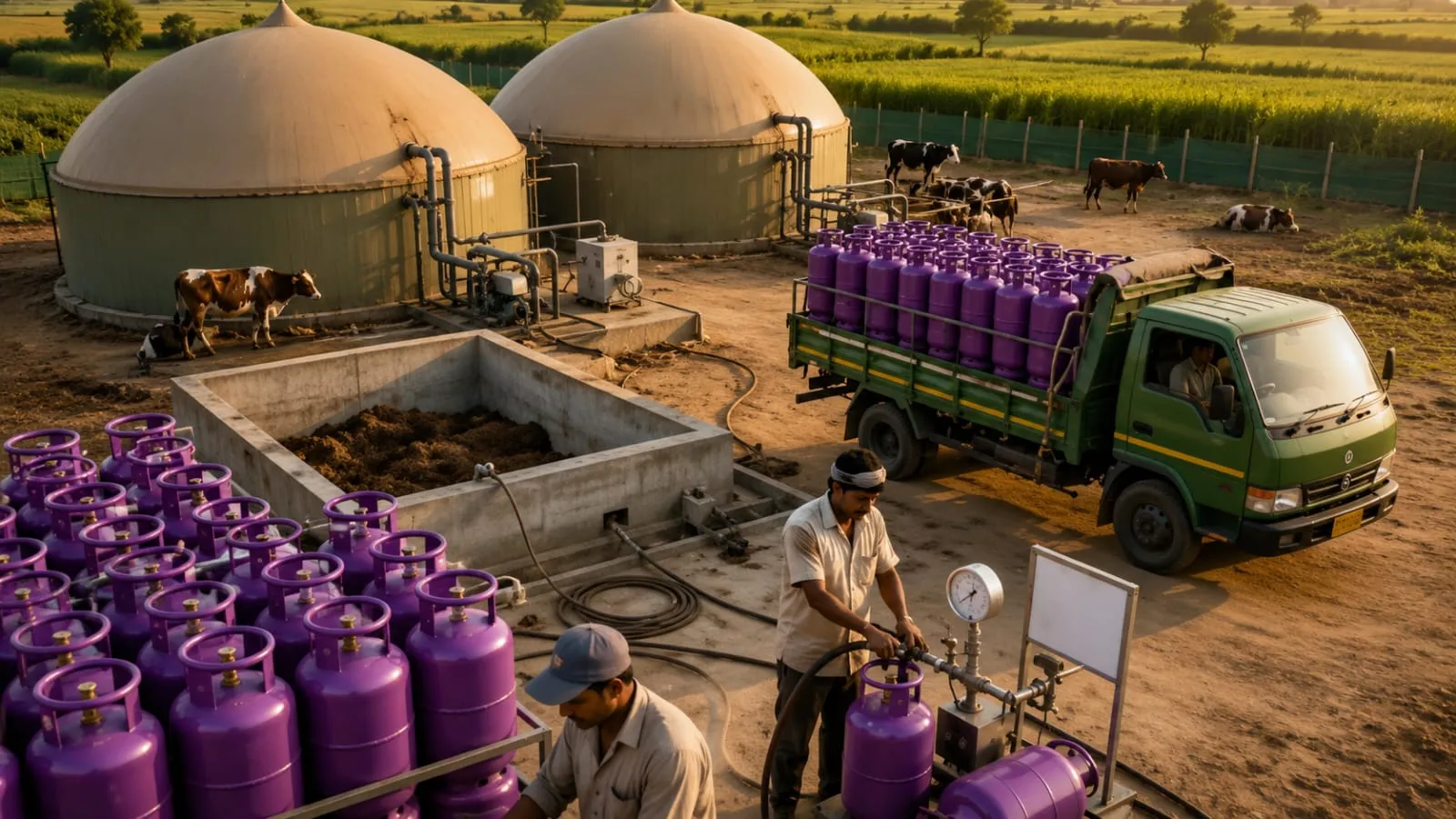
Viewed through a broader lens, however, stories such as this increasingly resemble more than local experiments involving alternative fuel systems. They increasingly appear connected to larger realities involving resourcefulness, community problem-solving and how practical solutions frequently emerge from environments where people experience challenges most directly.
The larger impact story therefore may not simply involve a cow-dung gas cylinder or lower fuel costs. Increasingly, it may involve recognizing that some of the most meaningful innovations frequently emerge not from creating entirely new resources but from discovering overlooked value inside resources already surrounding us.