For centuries, gold has been more than just a metal in India. It is a symbol of prosperity, a store of value, a hedge against inflation, and an integral part of cultural and religious traditions. In 2025, as global economies navigate uncertainty and inflation continues to erode purchasing power, the yellow metal is once again capturing the attention of investors, both novice and seasoned.
The Golden Legacy of India
India's relationship with gold is deeply emotional and cultural. From weddings and festivals to everyday savings, gold is woven into the fabric of Indian life. The country is one of the largest consumers of gold in the world, with an annual demand of over 700-800 tonnes. This cultural affinity, combined with gold's role as a financial asset, makes it a unique investment proposition.
In recent years, gold has also emerged as a sophisticated financial instrument. Beyond the traditional jewellery and coins, Indian investors now have access to Sovereign Gold Bonds (SGBs), Gold ETFs, Gold Mutual Funds, and Digital Gold. This democratization of gold investment has opened the doors for a new generation of investors.
Gold's Performance in Recent Years
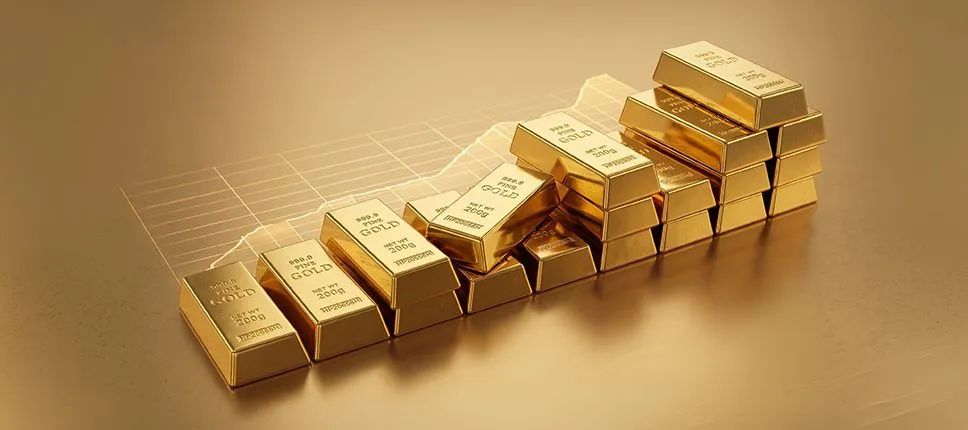
Gold has delivered impressive returns over the past few years. In 2024, gold prices surged by over 28%, driven by geopolitical tensions, central bank buying, and expectations of interest rate cuts by the US Federal Reserve. The price of 24-karat gold crossed ₹80,000 per 10 grams in India for the first time, a significant milestone that captured the nation's attention.
But what does 2025 and beyond hold? To understand this, we need to look at the key drivers shaping gold's future.
Key Drivers of Gold Prices in 2025 and Beyond
1. Global Economic Uncertainty
Gold is traditionally viewed as a "safe haven" asset. In times of economic uncertainty, geopolitical tensions, or market volatility, investors flock to gold to protect their wealth. With ongoing geopolitical conflicts, trade tensions, and concerns about global growth, gold's safe-haven appeal remains strong.
2. Inflation and Currency Devaluation
When inflation rises, the purchasing power of currency declines. Gold, being a tangible asset with intrinsic value, acts as an excellent hedge against inflation. As central banks around the world print more money to stimulate economies, the risk of currency devaluation increases, making gold an attractive store of value.
3. Central Bank Buying
Central banks, particularly in emerging economies like China, Russia, and India, have been aggressively buying gold to diversify their reserves away from the US dollar. This sustained institutional demand provides a strong floor to gold prices and signals long-term confidence in the metal.
4. Interest Rate Environment
Gold has an inverse relationship with interest rates. When rates are low, the opportunity cost of holding gold (which doesn't yield interest) is low, making it more attractive. As the US Federal Reserve and other central banks consider rate cuts in 2025, gold is likely to benefit significantly.
5. The Rupee-Dollar Dynamic
For Indian investors, the rupee-dollar exchange rate plays a crucial role in gold prices. A weakening rupee makes gold more expensive in India, even if global prices remain stable. Given the expected depreciation of the rupee against the dollar, gold prices in India are likely to see upward pressure.
6. Domestic Demand
India's domestic gold demand remains robust. The wedding season, festivals like Dhanteras and Akshaya Tritiya, and cultural traditions ensure a steady stream of demand. Additionally, the growing young population with rising disposable incomes is entering the gold market, both for consumption and investment.
Gold Price Predictions for 2025
Analysts have varying projections for gold prices in 2025:
· Bullish Forecasts: Some experts predict gold could reach ₹90,000-₹95,000 per 10 grams by the end of 2025, driven by a weakening dollar, rate cuts, and sustained central bank buying.
· Moderate Expectations: Conservative estimates suggest gold may trade between ₹80,000-₹85,000 per 10 grams, with potential volatility based on geopolitical developments.
· Global Price Projections: International gold prices are expected to trade between $2,500-$3,000 per ounce, depending on macroeconomic conditions.
While predictions vary, the consensus is clear: gold is likely to remain an attractive asset class in 2025, offering both capital appreciation and portfolio diversification.
Investment Options: How to Invest in Gold in India
Indian investors have more choices than ever. Here are the most popular options:
1. Sovereign Gold Bonds (SGBs)
Issued by the Reserve Bank of India, SGBs are government-backed securities denominated in grams of gold. They offer an annual interest rate (currently around 2.5%), tax benefits on capital gains, and redemption at the prevailing market price.
Pros: Low risk, interest income, tax advantages, no storage costs.
Cons: Lock-in period, limited liquidity.
2. Gold ETFs (Exchange Traded Funds)
Gold ETFs are mutual fund schemes that invest in physical gold. They trade on stock exchanges like shares and offer a simple way to invest in gold without holding physical metal.
Pros: Liquidity, transparency, low storage costs, small investment amounts.
Cons: Expense ratio, management fees.
3. Gold Mutual Funds
These are fund-of-funds that invest in Gold ETFs. They are suitable for investors who prefer the mutual fund route but don't want to trade on stock exchanges.
Pros: Convenience, professional management, SIP options.
Cons: Expense ratio, slightly lower returns than direct ETFs.
4. Digital Gold
Platforms like Google Pay, Paytm, and various fintech apps allow investors to buy digital gold, which is backed by physical gold held in secure vaults.
Pros: Easy access, low investment threshold, high liquidity.
Cons: Storage fees, counterparty risk, less regulatory oversight.
5. Physical Gold (Jewellery and Coins)
The traditional route of buying gold remains popular, especially for cultural and emotional reasons.
Pros: Tangible asset, emotional and cultural value, no counterparty risk.
Cons: Making charges, storage costs, security concerns, capital gains tax.
The Future of Gold Investment
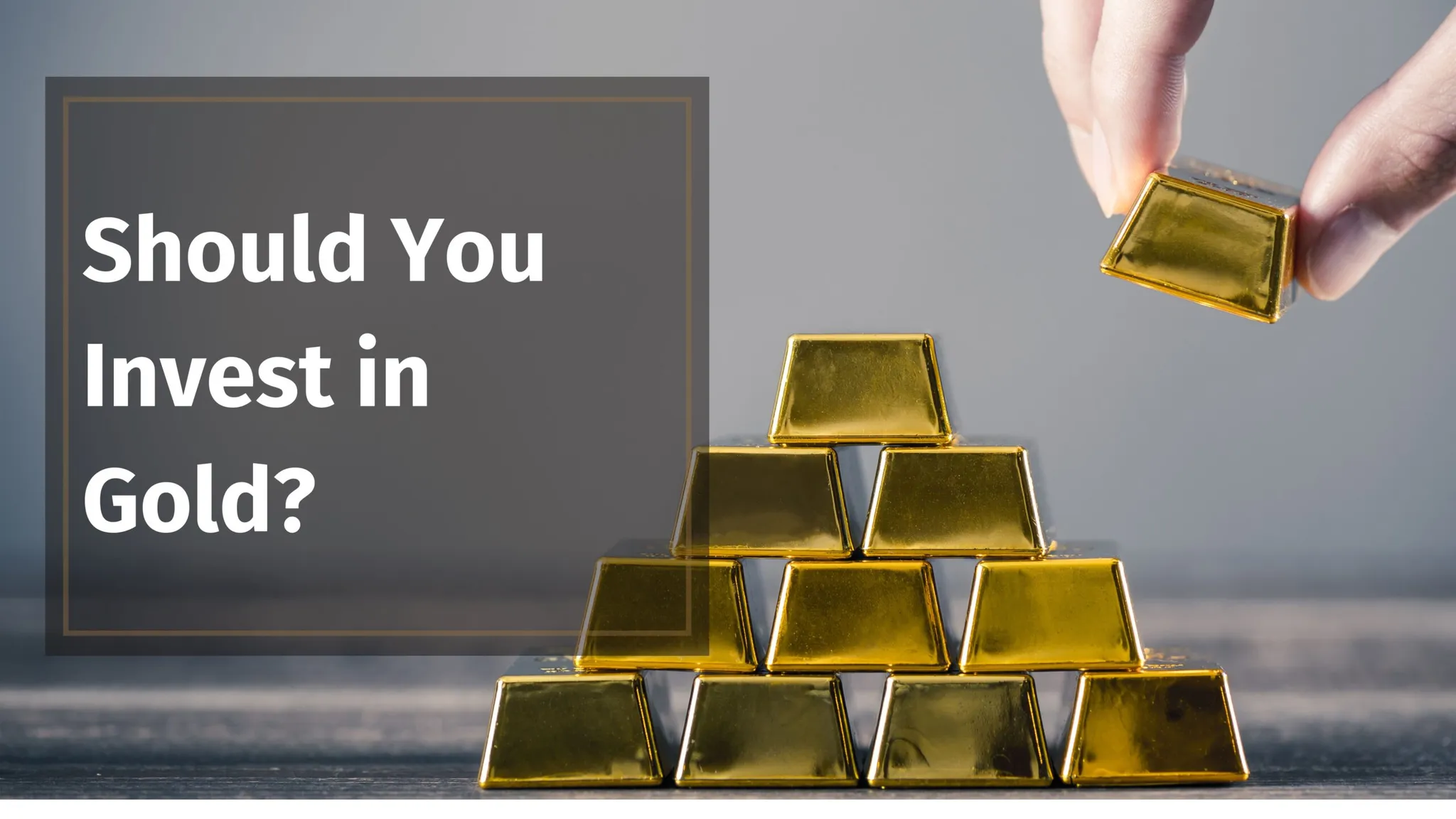
The future of gold investment in India looks promising. Here are the key trends to watch:
1. Rise of Digital Gold
With the rapid adoption of fintech and digital payment platforms, digital gold is gaining traction among young, tech-savvy investors. The convenience of buying and selling gold with a few taps on a smartphone is transforming the investment landscape.
2. Regulatory Clarity
The government and SEBI are increasingly focused on regulating gold investment products. This will bring more transparency and trust to digital gold platforms and ETFs.
3. Gold as an ESG Asset
Gold mining, if done responsibly, can align with ESG (Environmental, Social, Governance) principles. Investors are increasingly looking at gold from a sustainability perspective, which could drive demand for ethically sourced gold.
4. Integration with Portfolio Management
Gold is being increasingly integrated into portfolio management tools. Robo-advisors and investment platforms are recommending gold allocations based on the investor's risk profile and financial goals.
5. Global Gold Reserves
The ongoing trend of central banks increasing their gold reserves will continue, providing a strong long-term demand base.
Strategies for Gold Investment
Here are some smart strategies for investing in gold:
· SIP Approach: Invest small amounts regularly through Gold ETFs or SGBs to average out costs and reduce timing risk.
· Portfolio Allocation: Financial experts recommend allocating 5-15% of your portfolio to gold, depending on your age, risk appetite, and investment goals.
· Diversify: Don't put all your gold investment into one instrument. Mix SGBs, ETFs, and physical gold for optimal returns and liquidity.
· Long-Term View: Gold is best for long-term wealth preservation, not short-term speculation. Stay invested for at least 3-5 years to see meaningful returns.
· Monitor Key Drivers: Keep an eye on inflation, interest rates, and geopolitical developments to make informed decisions.
Conclusion
Gold has always been, and will remain, a cornerstone of Indian investment philosophy. In 2025, with global uncertainty, inflationary pressures, and evolving investment options, gold offers a unique combination of emotional security and financial returns. Whether you're a traditional investor buying jewellery or a modern investor using digital gold, the yellow metal continues to shine as a symbol of wealth and a hedge against uncertainty.
As India's economy grows and its middle class expands, gold will continue to play a pivotal role in the investment portfolios of millions. The future of gold is not just bright; it is golden.