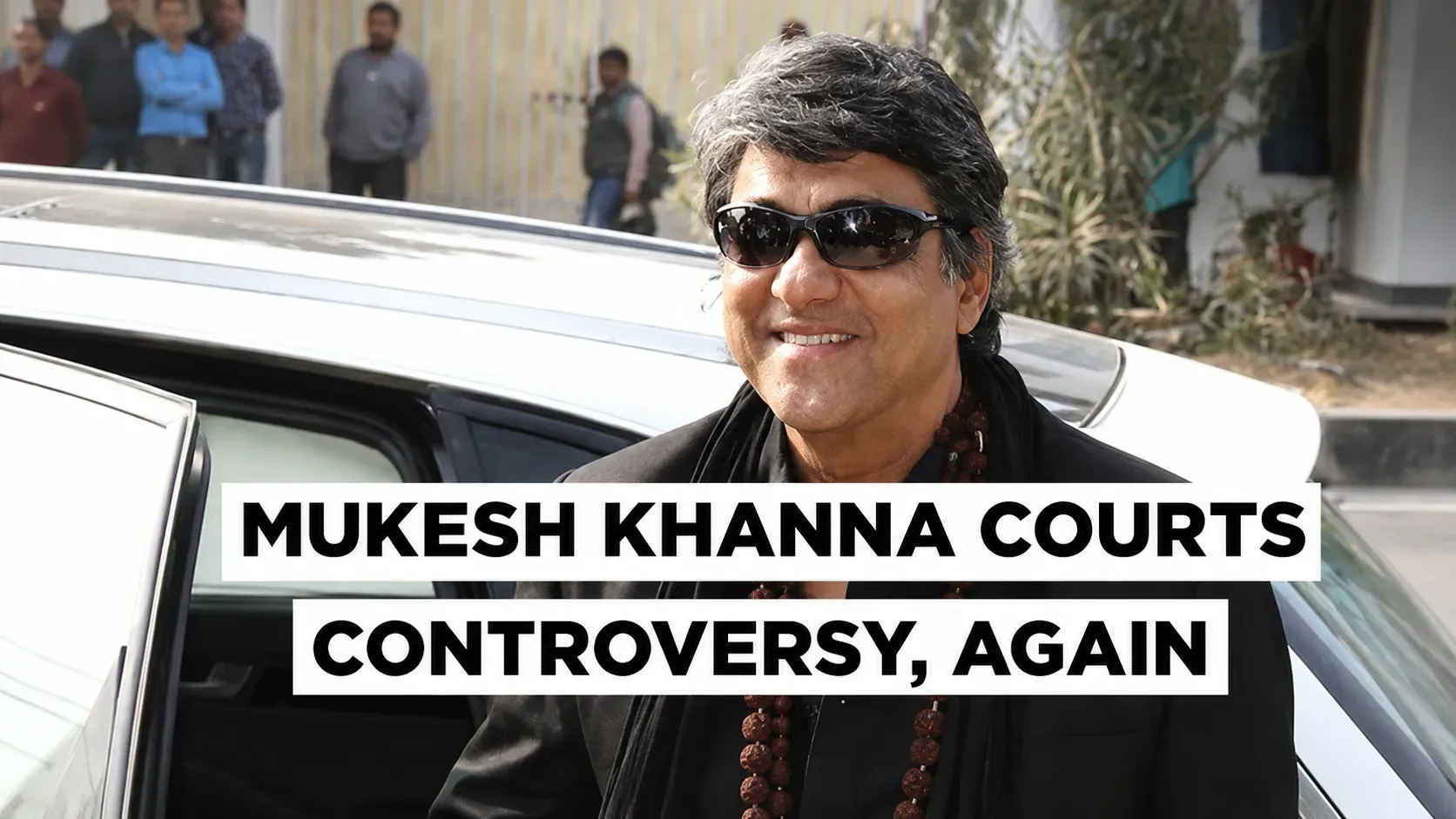
He Started CRED With $1 Million of His Own Money. He Is Now Running a Platform With 3 Billion Users.
On June 22, 2026, Mark Zuckerberg announced that Will Cathcart who has led WhatsApp since 2019, overseeing its growth through Communities, Channels, AI integrations, and its evolution into a payments and business messaging platform would step down from the role. Cathcart will move into a newly created division at Meta focused on building next-generation products from the ground up.
His replacement: Kunal Shah, 42, founder of CRED, one of India's most closely watched fintech companies.
Shah becomes the first Indian CEO in WhatsApp's history. He will relocate from Bengaluru to Menlo Park, California, where Meta is headquartered. Miten Sampat who has led strategy and finance at CRED since 2020 will take over as interim chief executive of CRED with immediate effect. Shah will retain his personal shareholding in CRED.
The appointment arrived alongside the most significant single investment Meta has ever made in an Indian company: $900 million into CRED, securing a 20 per cent minority stake and valuing the fintech platform at $4.5 billion on a post-money basis.
This is not one news story. It is three, braided together: the succession of WhatsApp leadership, the most important career move in Indian startup history, and a strategic capital deployment that tells you exactly what Meta believes about India's next decade.
Who Kunal Shah Is — and Why the Appointment Is Not a Surprise to Anyone Who Has Followed Indian Tech
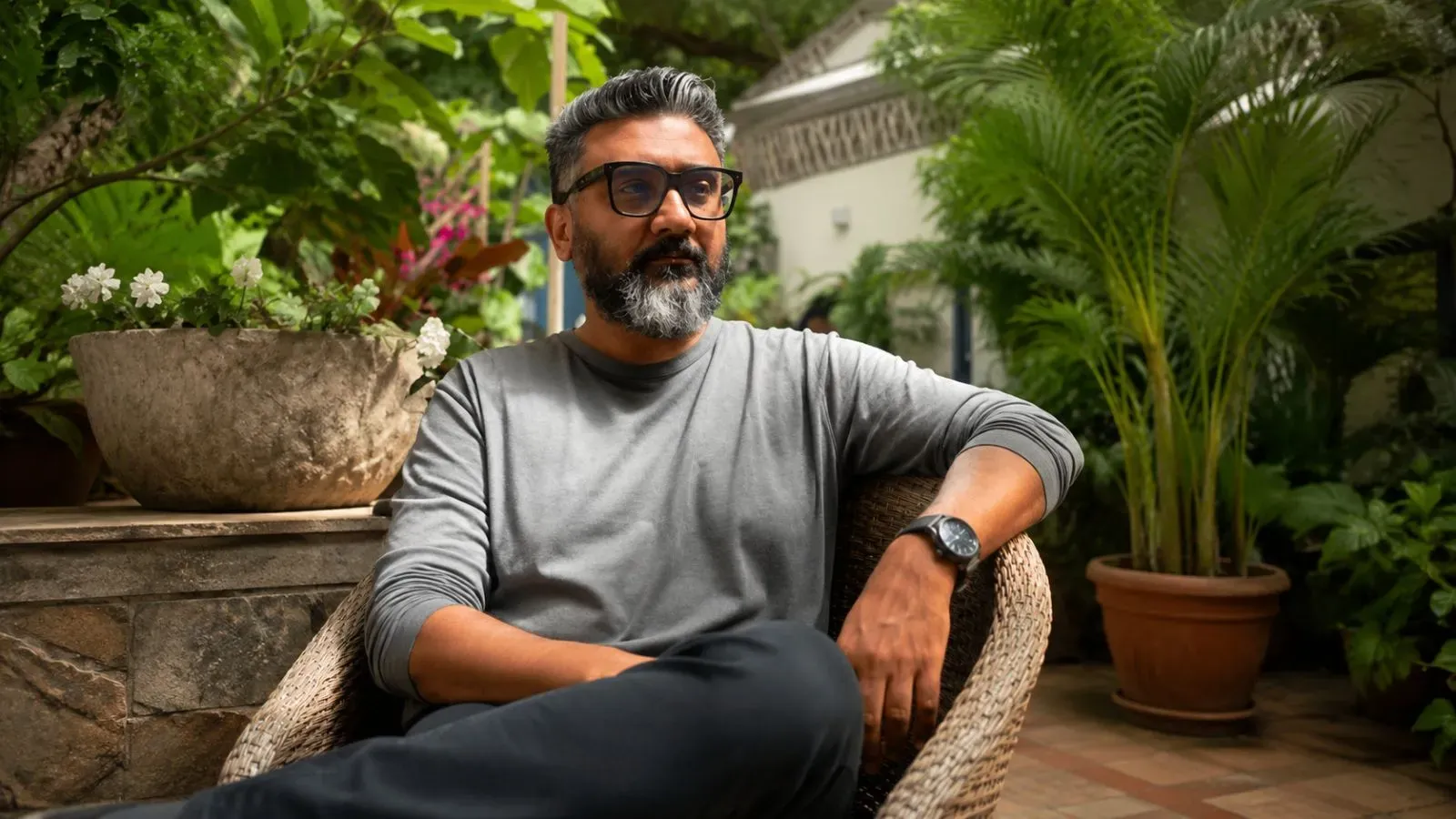
Kunal Shah is one of the most recognisable figures in India's technology and startup ecosystem not primarily because of the companies he has built, but because of the intellectual frameworks he has developed for understanding consumer behaviour, trust, and what he calls "delta four" the fundamental shifts in human behaviour that occur when a product delivers dramatically better outcomes than the alternatives.
His career has followed a pattern of building, exiting, reflecting, and returning with something significantly larger.
He co-founded FreeCharge in 2010 a digital payments platform for mobile recharges and utility bills that became one of India's first mainstream consumer fintech products. In 2015, he sold FreeCharge to Snapdeal for approximately $400 million the largest acquisition in Indian e-commerce history at that point. After the exit, he spent three years investing, learning, and thinking about a specific question: why are people who demonstrate financial trustworthiness by consistently paying their credit card bills on time not rewarded for it?
That question became CRED.

CRED launched in 2018. Shah invested $1 million of his own personal capital to get it started. The premise was unusual by conventional startup logic: a rewards platform exclusively for people with high credit scores, giving them something valuable for paying their credit card bills on time. The mechanism for filtering requiring a minimum credit score for membership was counterintuitive from a growth perspective but was, as Shah framed it, deliberately trust-based. The platform was not trying to reach everyone. It was trying to reach the most creditworthy segment and give them a reason to stay.
In a post on X immediately following the WhatsApp announcement, Shah reflected on the journey:
"The delta between WhatsApp today and its full potential is massive." That sentence is Shah doing what Shah does identifying the gap between current state and theoretical maximum, and framing the mission as closing it. It is the same intellectual structure that produced CRED's founding premise.
What CRED Became — and What Meta Is Actually Buying
By 2026, CRED had grown from a credit card rewards platform into something considerably more complex.
The platform reached 17 million members between 2019 and 2025, expanding from its original credit card bill payment product into payments, lending, insurance, commerce, wealth management, and credit card services. It raised more than $900 million from global investors across multiple rounds. It completed multiple employee stock ownership plan buybacks a signal that early investors and employees received liquidity even before the Meta investment. And in 2026, it reported its first profitable quarter the financial milestone that transforms the narrative from "promising but burning" to "proven and growing."
The $900 million Meta investment at a $4.5 billion valuation is a statement about what CRED represents as a strategic asset. Meta is not buying a fintech product. It is buying the infrastructure of trust that CRED has built with 17 million of India's most financially sophisticated consumers and the right to be the payments and financial services layer inside WhatsApp for the Indian market.
Meta Chief Product Officer Chris Cox described Shah as "one of India's most respected entrepreneurs" at the time of the announcement. That framing is deliberate. Meta is not hiring a technical leader to manage WhatsApp's engineering. It is hiring someone whose specific credibility in India's consumer and fintech ecosystem gives WhatsApp something it has not yet fully capitalised on: the trust of Indian users in the financial dimension of the platform.
What the India Context Actually Means
India is WhatsApp's largest market by a significant margin over 500 million users, more than any other country on earth. And yet India is also the market where WhatsApp's monetisation potential has been most consistently underrealised relative to its user base.
WhatsApp Pay the platform's UPI-based payments product in India has been live since 2018 and has operated within the payment market share caps set by NPCI. Its market share in UPI has remained modest compared to PhonePe and Google Pay, despite WhatsApp's extraordinary distribution advantage. The business messaging and commerce features that Meta has built into WhatsApp globally have found their strongest product-market fit in markets outside India despite India being the market where those features could theoretically have the largest impact.
The appointment of Shah is the most direct possible signal that Meta has diagnosed this underperformance, understood its roots in trust and consumer behaviour rather than technology, and chosen someone with a specific proven theory about how to build financial trust with Indian consumers.
CRED's model rewarding trustworthy behaviour, filtering for high-quality members, building a premium experience that high-value users want to be part of is the opposite of how WhatsApp Pay has been positioned, which has been as a mass-market, frictionless utility. Whether Shah's approach to consumer behaviour translates from a 17-million-member exclusive fintech to a 500-million-user mass messaging platform is the central strategic question his tenure will answer.
What the $900 million investment confirms is that Meta is not merely hiring Shah it is purchasing the alignment of incentives. CRED's network, CRED's data on high-creditworthiness Indian consumers, and CRED's distribution relationships with banks, credit card companies, and financial services providers become part of Meta's India strategy rather than a separate and competing product.
What Happens to CRED — and to Indian Fintech
Miten Sampat's appointment as CRED's interim CEO is a continuity move, not a reinvention. Sampat has been the operational brain of CRED's expansion into lending, insurance, and commerce since 2020. He understands the platform and the team. The "interim" designation suggests that a permanent CEO appointment is expected, and that the search or the internal succession planning is already underway.
Shah's retention of his CRED shareholding means he remains economically aligned with the company's success even in his absence. At a $4.5 billion valuation, that alignment is financially significant. And the Meta investment at 20 per cent minority stake means that CRED is now effectively a strategic partner of WhatsApp with product integration between the two platforms a logical and likely near-term development.
For Indian fintech broadly, the announcement is a validation of a specific thesis: that the companies building financial trust infrastructure for Indian consumers understanding their creditworthiness, their payment behaviour, their risk profiles are strategic assets that the largest technology platforms in the world will eventually pay to access.
PhonePe, Razorpay, MobiKwik every major Indian fintech company will have seen Meta's $900 million investment in CRED and understood the message: the trust data and the consumer relationship are the assets. The technology is the mechanism for building them.
What Comes Next
For WhatsApp, the Shah era begins with a specific mandate: close the gap between the platform's current reality and its theoretical maximum. That gap — as Shah himself described it — is massive. And from his perspective, it is a product problem of the same category he has spent his career studying: the gap between what trust enables and what existing systems reward.WhatsApp has 3 billion monthly active users. It has the largest user base in India, where the payments, commerce, and business messaging opportunity is larger than any other market on earth. And it has a new leader who built a platform specifically around the question of how to turn financial trust into a business model.The delta between WhatsApp today and its full potential is massive.Kunal Shah has just signed up to close it.