A Tuesday That Changed Indian Tech Forever
Imagine this. You're the founder of one of India's most successful fintech companies. You've built a platform with 17 million users, processed over 40% of all credit card bill payments in the country, and turned a simple idea—rewarding people for paying their bills on time—into a ₹43,239 crore empire. Then, on a regular Tuesday morning, you get a call from Mark Zuckerberg. And suddenly, your life changes forever.
That's exactly what happened to Kunal Shah.
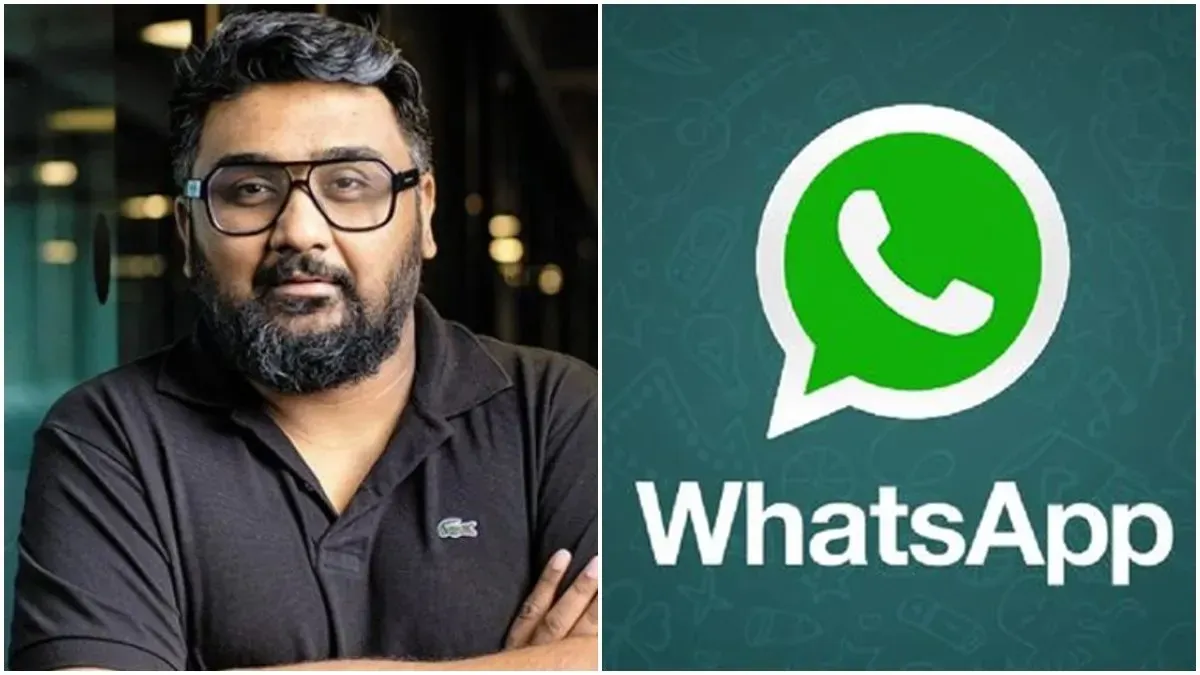
On June 23, 2026, the Indian tech world woke up to news that sent shockwaves through the global startup ecosystem. Meta had not only appointed CRED founder Kunal Shah as the next global CEO of WhatsApp—succeeding Will Cathcart after his seven-year tenure—but was also investing a staggering $900 million (approximately ₹8,550 crore) in Shah's fintech venture.
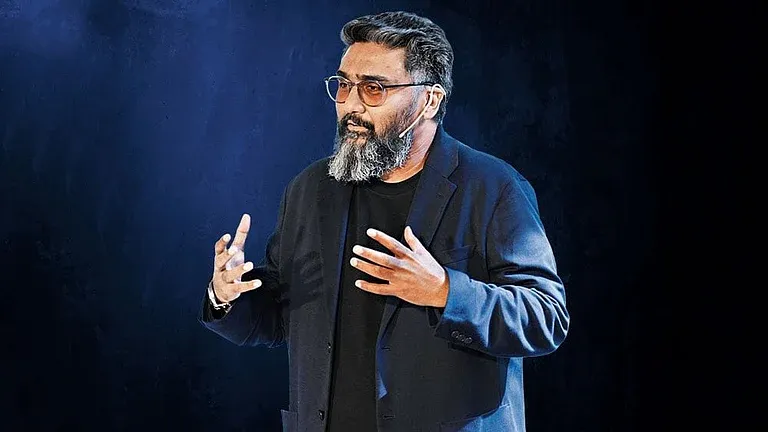
"Kunal built CRED into one of India's most important technology companies," Zuckerberg wrote in a Facebook post. "He brings the kind of builder mentality and global perspective that will serve him well in running the world's biggest messaging app" .
For Indian startups, this wasn't just news. It was validation. It was a signal that the world's biggest tech companies were no longer just looking at India as a market—they were looking at India for its leaders.
The Deal That Broke the Internet
Let's break down the numbers, because they're staggering.
Meta's investment in CRED is structured as a Series H funding round, combining both primary capital and secondary share purchases. The deal values CRED at ₹43,239 crore (approximately $4.5 billion) on a post-money basis, with a pre-money valuation of ₹38,819 crore (approximately $4.03 billion).
Here's how the $900 million breaks down:
$500 million in primary capital – fresh money going into the company
$400 million in secondary stake sales – allowing existing investors to exit
$100 million in ad credits – a sweetener that shows just how serious Meta is about this partnership
Meta will join CRED's cap table as a minority investor with a roughly 20% stake. But here's the crucial detail: Meta will not receive access to CRED's customer data. As Shah himself clarified on X: "Meta comes in as a minority investor in CRED. No access to member data" .
The deal also includes CRED's fifth ESOP buyback, rewarding employees who helped build the company from the ground up. It's a rare moment in Indian startup history—a founder stepping up to lead a global tech giant while ensuring his team shares in the rewards.
Who Is Kunal Shah? The Philosophy Student Who Became a Tech Titan
To understand the magnitude of this moment, you need to understand the man behind it.
Kunal Shah's journey is the stuff of entrepreneurial legend. Born in Ahmedabad and raised in Mumbai, he studied philosophy at Wilson College. Yes, philosophy. Not computer science. Not engineering. Philosophy.
He later enrolled in an MBA programme at NMIMS but dropped out after a year. He didn't need a degree to tell him what he already knew: he was meant to build things.
His first major success came in 2010 when he co-founded FreeCharge with Sandeep Tandon. The platform allowed users to recharge mobile phones and pay utility bills while earning rewards. In 2015, Snapdeal acquired FreeCharge for approximately $400 million. Shah was just 33 years old.
But he wasn't done.
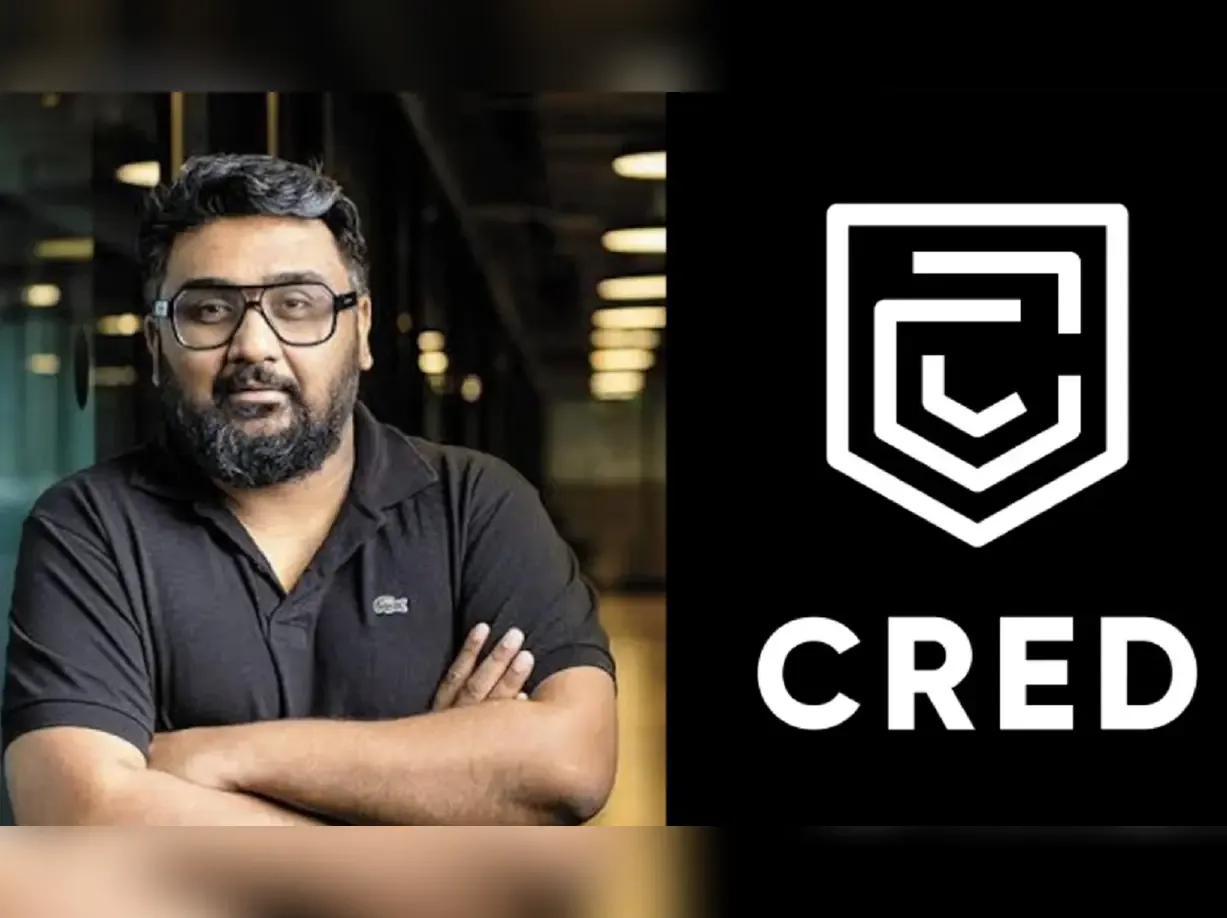
In 2018, Shah started CRED with $1 million of his personal capital. The premise was beautifully simple: creditworthiness deserves to be rewarded. Pay your credit card bills on time, and CRED rewards you. Eight years later, that belief had turned into an entirely new category of fintech.
Today, CRED serves 17 million monthly active members and processes over 40% of all credit card bill payments in India. The company reported ₹3,200 crore (approximately $325 million) in revenue, profitability, and a full stack of regulatory licences. Its losses narrowed significantly—operating losses dropped from ₹609 crore in FY24 to ₹298 crore in FY25.
Shah is also one of India's most prolific angel investors, with stakes in over 250 startups, including leading unicorns.
Why WhatsApp? Why Now?
So why would Meta, one of the world's most valuable companies, hand over the keys to its crown jewel—a messaging app with over 3 billion users—to an Indian fintech founder?
The answer lies in WhatsApp's untapped potential.
While WhatsApp dominates global messaging, Meta has struggled to monetize it effectively. The app has over 3 billion users globally, with a plurality in India. Yet WhatsApp Pay, the app's UPI-based payments service, ranks ninth in transaction volume in India—behind even CRED, which sits in eighth place.
"While it's come very far, the delta between WhatsApp today and its full potential is massive," Shah said on X. His immediate tasks will include bringing new revenue streams to WhatsApp and integrating AI agents into the service.
Meta's Chief Product Officer, Chris Cox, approached Shah directly while looking for a leader who "grasps the global product opportunity for WhatsApp and can represent the needs of the people who rely on it every single day". Cox called Shah "one of India's most respected entrepreneurs and a prolific voice for how the apps we build make a positive difference in people's lives".
This isn't Meta's first move of this kind. Last year, it invested over $14.3 billion in Scale AI and recruited its founder, Alexandr Wang, to take over the company's AI lab. The pattern is clear: Meta is betting big on founders who have built category-defining companies.
The Transition: What Happens Next?
Shah will relocate from Bengaluru to Meta's headquarters in Menlo Park, California. He will succeed Will Cathcart, who has led WhatsApp since 2019. Cathcart will remain at Meta, moving to a new role focused on building consumer applications and products using artificial intelligence.
"WhatsApp is in the strongest position it's ever been — and that felt like the right moment to step back," Cathcart wrote on social media. Zuckerberg praised Cathcart for "bringing WhatsApp to over 3 billion people and championing privacy for our community".
At CRED, Miten Sampat—who has headed strategy and finance since 2020—will take over as interim CEO. Sampat, whom Shah humorously described as "suffering me since 2020," will lead the company toward its eventual initial public offering.
"We have a generational opportunity to build on Kunal's vision and compound consistently towards becoming a public company," Sampat said.
Shah will continue to hold his personal shareholding in CRED. His commitment to the company hasn't changed—just his role.
What This Means for Indian Startups
This is a watershed moment for India's startup ecosystem.
For years, Indian founders have built world-class companies but have rarely been tapped to lead global tech giants. Shah's appointment changes that. It signals that Indian entrepreneurs are no longer just builders of local solutions—they are global leaders.
"Kunal Shah will join Meta as WhatsApp's next leader," Zuckerberg said. That one sentence carries the weight of an entire generation of Indian founders who have dreamed of making it big on the global stage.
The deal also validates India's fintech ecosystem. CRED has shown that a company built on a simple premise—rewarding creditworthiness—can attract investment from the world's most valuable tech company and produce a leader capable of running its flagship product.
The Final Verdict
June 23, 2026, will be remembered as the day an Indian fintech founder became the CEO of the world's biggest messaging app. It was the day Meta placed a $900 million bet on an Indian entrepreneur and his company. It was the day Kunal Shah went from building a company that rewards credit card payments to leading a platform that connects over 3 billion people.
"Kunal built CRED into one of India's most important technology companies, and he brings the kind of builder mentality and global perspective that will serve him well in running the world's biggest messaging app," Zuckerberg said.
Shah himself put it best: "While it's come very far, the delta between WhatsApp today and its full potential is massive".
From a philosophy student who dropped out of an MBA programme to the global CEO of WhatsApp—Kunal Shah's journey is a testament to the power of believing in an idea and building it into something the world cannot ignore.
The ₹8,550 crore bet has been placed. Now, the world watches to see what Kunal Shah will build next.
"I started CRED in 2018 with a belief that creditworthiness deserves to be rewarded. In under eight years, that belief has turned into a new category." – Kunal Shah
"Kunal built CRED into one of India's most important technology companies, and he brings the kind of builder mentality and global perspective that will serve him well." – Mark Zuckerberg