Cricket Meets Corporate India: A Historic First
In a development that would have seemed improbable even a decade ago, the Burgundy Private Hurun India 500 Report published on June 25, 2026 has formally recognised Indian Premier League (IPL) franchises as major corporate entities — listing KKR (Kolkata Knight Riders), CSK (Chennai Super Kings), RCB (Royal Challengers Bengaluru), RR (Rajasthan Royals), and PBKS (Punjab Kings) among India's 500 most valuable companies.
The inclusion is more than a novelty. It is an acknowledgement that sport — specifically cricket in the Indian context — has crossed a threshold from entertainment to institutionalised asset class. These franchises generate hundreds of crores in annual revenue through media rights, sponsorships, merchandise, gate receipts, and increasingly, digital content. They carry brand values that rival established consumer goods companies. And as listed or partially listed entities with transparent ownership structures, they are subject to the same scrutiny and governance expectations as any other publicly traded business.
For global Indians — many of whom are among the most passionate fans of IPL teams worldwide — this recognition carries a particular resonance. The IPL, conceived in 2008 as a bold experiment in blending cricket with entertainment commerce, has become one of the world's most valuable sports properties. Its inclusion in India's corporate elite is a validation not just of cricket, but of the vision and execution of the administrators, investors, and broadcasters who built it.
The Business of IPL: By the Numbers
To understand why IPL franchises belong in the Hurun India 500, one must first understand the scale of the IPL economy. The Board of Control for Cricket in India (BCCI) sold the IPL's media rights for ₹48,390 crore over the 2023–27 cycle — the second most expensive sports media deal in the world at the time of signing, trailing only the NFL. This media rights pool translates to a central revenue distribution of approximately ₹800–1,000 crore per franchise per year, before any franchise-specific revenues.
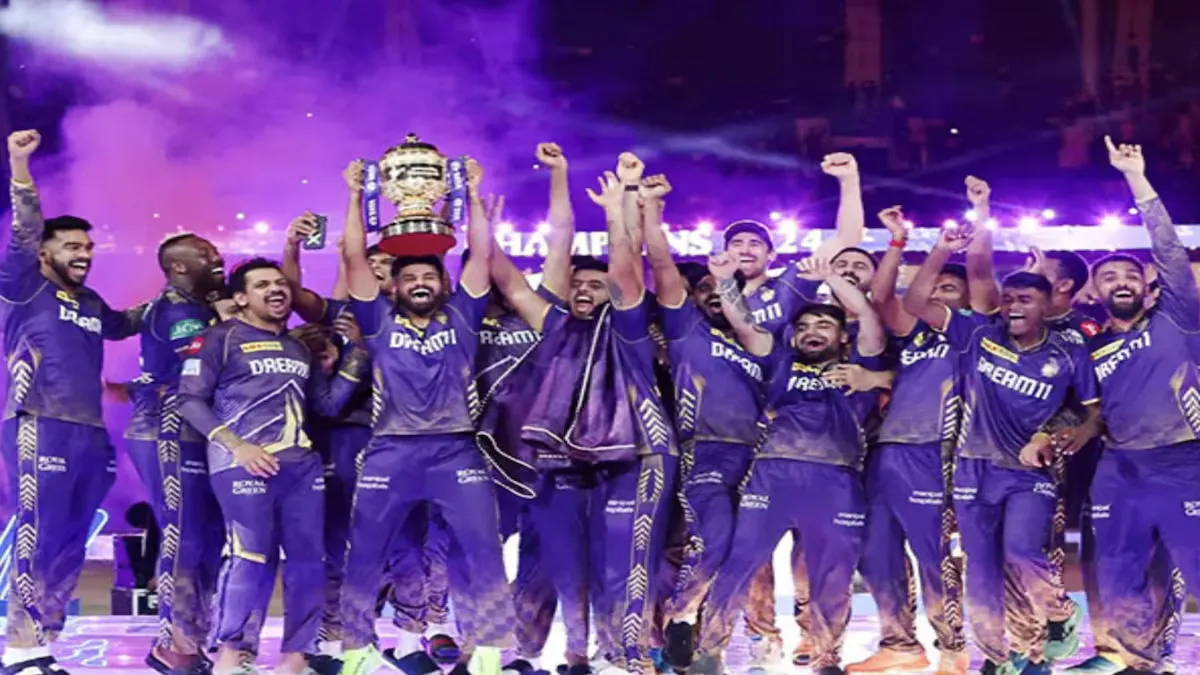
KKR, owned by global private equity titan KKR & Co (Shah Rukh Khan remains its most visible ambassador), has built perhaps the strongest global brand among IPL franchises, leveraging its American PE parent's networks to attract international sponsorships and investments. CSK, the most consistently successful franchise in IPL history, enjoys arguably the most loyal fanbase in global cricket — the 'Yellow Army' that fills stadiums across India and beyond whenever the franchise plays.
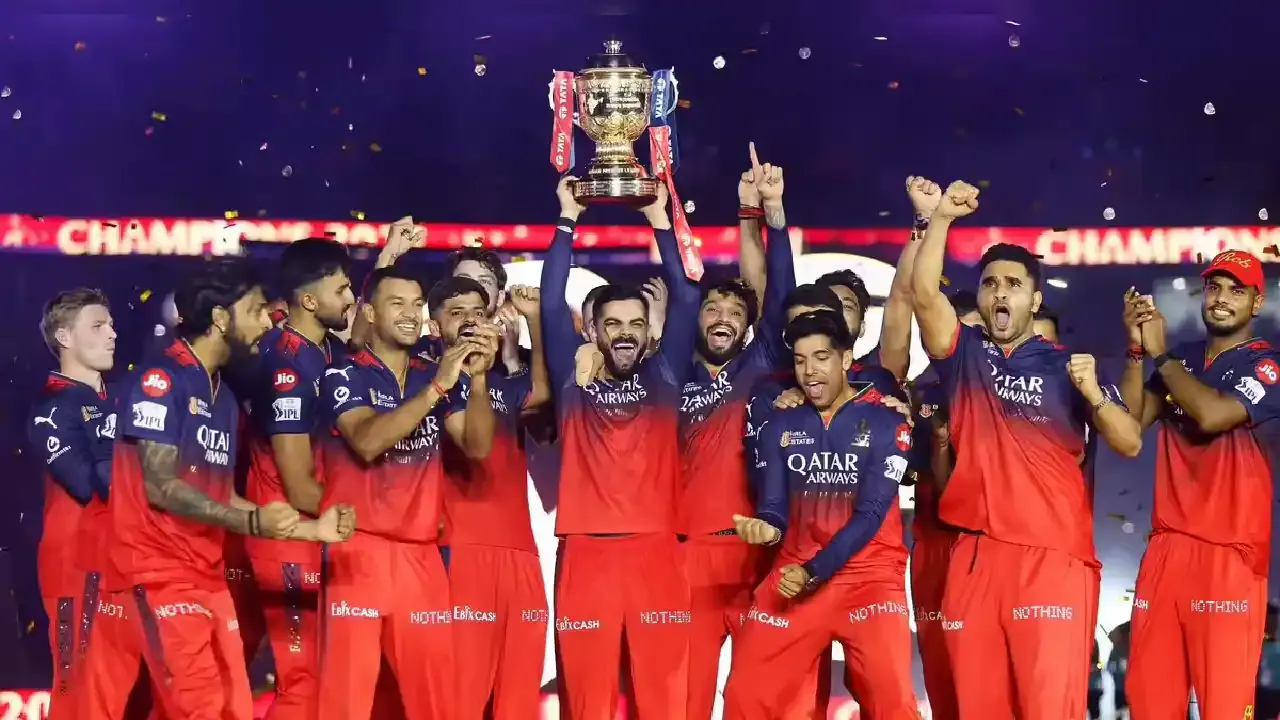
RCB — perpetually the most-followed but least-trophy-laden franchise — has built an extraordinary digital and social media community that generates commercial value independent of its on-field performance. RR, backed by global investment firm Emerging Media, has focused on a data-driven, academy-led model that builds long-term sustainable competitive advantage. PBKS, after years of restructuring, is emerging as a commercially focused franchise with renewed ambitions.
Beyond media rights, IPL franchises generate revenue through title sponsorships (some valued at ₹100+ crore per season), player jerseys, ground sponsorships, merchandise, fan experiences, content creation, and increasingly, digital assets and fan tokens. The commercialisation of cricket at the franchise level has created a playbook that other Indian sports — Pro Kabaddi, the Indian Super League, and the emerging cricket women's leagues — are now following.
Sport as an Asset Class: The Global Context
The recognition of IPL franchises in the Hurun India 500 reflects a global trend: the institutionalisation of sport as an investable, return-generating asset class. In the United States, NFL franchises regularly trade at multi-billion dollar valuations. European football clubs are owned by sovereign wealth funds, private equity firms, and billionaire families. The NBA, La Liga, and the IPL itself have demonstrated that sports media rights — in an era of streaming, global audiences, and insatiable content demand — are among the most durable and appreciating assets in entertainment.
The arrival of private equity, sovereign wealth, and institutional capital into Indian sports is accelerating this transformation. The IPL's success has spawned the Women's Premier League (WPL), the SA20 (South Africa T20), the International League T20 (ILT20 in UAE), the Caribbean Premier League, and the Major League Cricket in the United States — all BCCI-licensed tournaments that have drawn the same investors, broadcasters, and commercial frameworks that made the IPL what it is.
For global Indian investors — many of whom have deep personal connections to the IPL and its franchises — the formalisation of sports as an investable asset class opens new possibilities. As IPL franchises explore partial listings, SPAC transactions, or structured investment vehicles, global Indian capital could play a meaningful role in the next chapter of India's sports economy.
What This Means for Brand India
The IPL's entry into India's corporate elite is a powerful signal for Brand India globally. Cricket is the primary cultural connector for the Indian diaspora worldwide. From the streets of South Southall to the cricket grounds of Trinidad, from Silicon Valley to Sydney's western suburbs, the IPL is watched, discussed, debated, and celebrated by hundreds of millions of Indians and cricket fans globally.
As India aspires to be a global soft power — through its cinema, cuisine, yoga, and increasingly its technology — the IPL is perhaps the most powerful existing vector of Indian cultural influence worldwide. Its formalisation as a corporate institution, recognised in the same breath as Tata, Reliance, Adani, TCS, and HDFC Bank, elevates the entire enterprise of Indian sport.
For the readers of TheImpactfulGlobalIndian.com — Indians who live globally but carry India in their hearts — today's Hurun India 500 recognition of IPL franchises is a source of genuine pride. It says that India can build world-class institutions not only in technology, finance, and infrastructure, but in the one domain that has always united Indians everywhere: the beautiful, maddening, beloved game of cricket.
June 25, 2026 will be remembered not just for Jio IPO filings, Morgan Stanley upgrades, and ED investigations — but also as the day that cricket officially joined Corporate India. And for a nation that has always believed that cricket is more than just a sport, that recognition feels entirely, perfectly right.